
October 2026 private credit research: what commitments, leverage and affiliated vehicles measure
Audax, Oaktree and Ares announcements use different capital definitions. Separate equity, leverage, related vehicles and strategy scope before comparing.
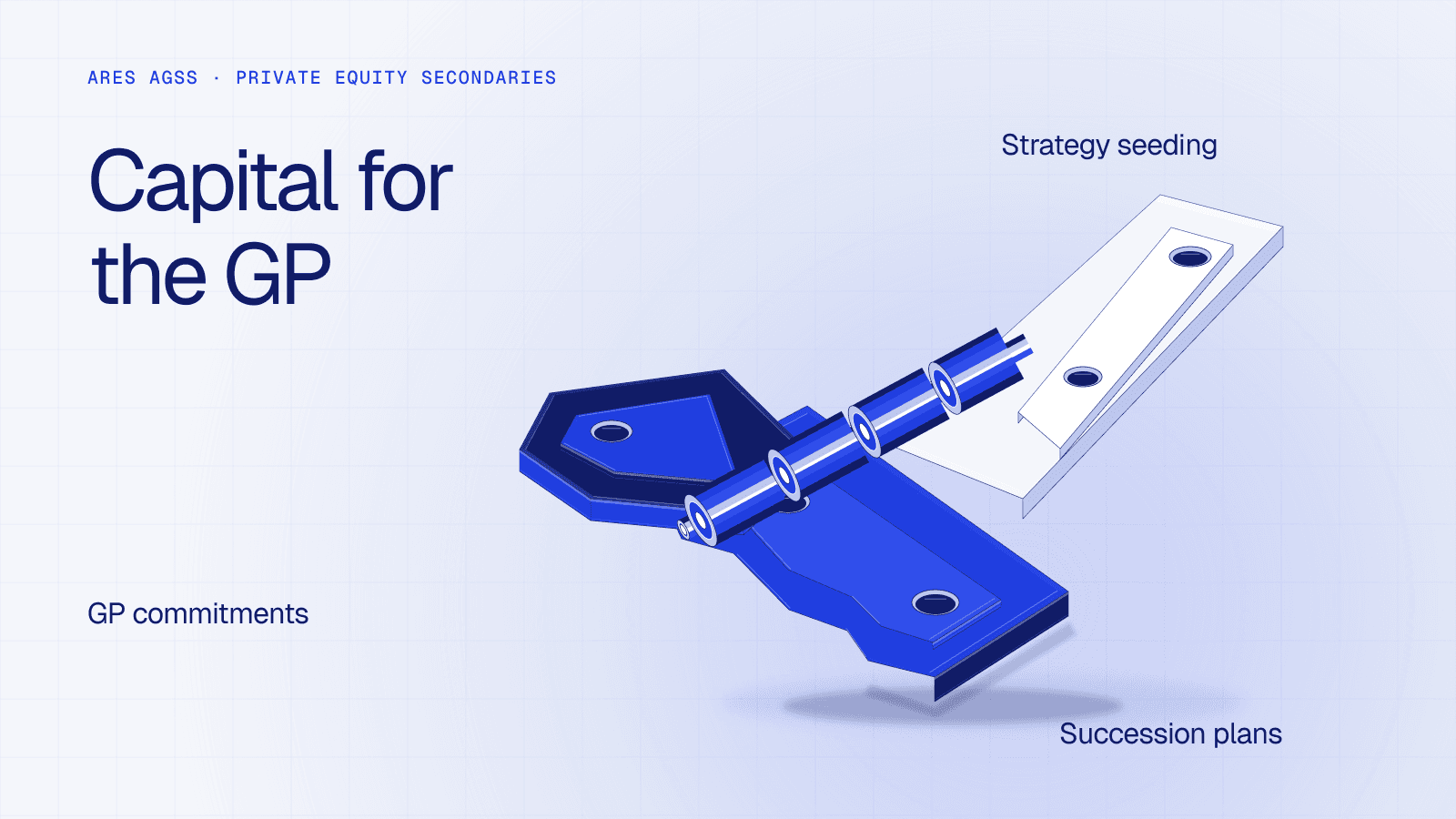
Audax’s direct-lending fund finances private-equity-owned middle-market companies. Oaktree’s asset-backed strategy provides capital to originators. Ares’s structured-solutions fund supports investment managers’ strategic funding needs within Private Equity Secondaries. Those recipients identify different propositions for a capital-seeking business and different exposures for an LP.
The announcements straddle two months: Audax reported its final close on September 30, 2026; Brookfield/Oaktree and Ares announced theirs on October 1. Reading each financing mandate beside the amount makes the comparison useful without treating these selected announcements as an October fundraising total.
Audax: financing the sponsor-backed operating company
Audax’s Direct Lending Solutions Fund III announcement specifies debt capital for private-equity-owned middle-market companies, with commitments of up to $350 million per transaction. For a sponsor, the company segment and transaction capacity establish a financing-fit question around the operating business and its capital requirement. Fundraising for the sponsor’s own primary fund is a different request; the capacity statement is not a commitment to finance a particular borrower.
DLS Fund III closed at its hard cap with $5.4 billion of equity commitments, exceeding a $4 billion target. Audax separately reported $10 billion of investable capital, including targeted leverage, commitments in related vehicles investing alongside the fund and investment by the general partner. The broader number combines financing and investment channels whose individual contributions are not disclosed. Treating the difference from equity commitments entirely as borrowing would manufacture a leverage estimate.
Predecessor DLS Fund II closed in 2022 with $3 billion in equity commitments and more than $5 billion of investable capital. Those paired measures permit a fundraising comparison on their stated bases; their growth is not evidence of credit performance.
By September 30, Fund III had committed approximately $1.5 billion. That describes investment activity, rather than specified funded borrower cash. An LP is therefore considering a programme already investing, alongside investments still to be selected. Altss’s Q3 private-credit comparison develops the lifecycle distinction through European final closes that followed earlier investment activity.
Oaktree: capital for asset originators
Brookfield’s October 1 announcement reported the final close of Oaktree Asset-Backed Finance Fund I with $2 billion of commitments across the fund and related investment vehicles, achieving its target fundraise. U.S. public pension plans and sovereign wealth funds were among the institutional-investor categories named; no fund-only capital split was supplied.
The strategy provides flexible capital to originators in equipment leasing, transportation, consumer, real estate and infrastructure. Oaktree described relationships with hundreds of third-party originators across its broader asset-backed finance platform. Compared with Audax’s company lending, this directs the LP’s attention to the assets and sectors reached through originator relationships. The proposed investing vehicle and its terms determine the allocation; the announcement supplies neither a common financing structure nor an underwriting standard for every originator.
Oaktree reported more than $19 billion invested across its broader asset-backed finance platform. Brookfield’s broader asset-based finance platform exceeded $60 billion. These are platform experience and scale disclosures, rather than additional ABF I commitments or a standalone-fund return record.
Ares: funding a GP’s strategic objectives
Ares’s October 1 release reported approximately $4.2 billion for its inaugural Global Structured Solutions Fund and affiliated vehicles. The fund significantly exceeded its $1 billion target, but the release did not divide the combined capital among the fund and those vehicles. It therefore supplies no standalone-fund multiple of the target.
AGSS sits within Private Equity Secondaries. Its stated purposes are helping managers increase their GP fund commitments, seed new strategies through structured LP commitments and facilitate succession plans. These uses concern the manager’s strategic capital, rather than its portfolio company’s borrowing or an originator’s asset financing. That classification also changes the LP’s portfolio question: including AGSS as adjacent context in credit research does not make it a direct-lending fund.
The comparison identifies three different objects of underwriting: a sponsor-backed business, an originator’s activity and a manager’s strategic funding need. A larger fundraising headline does not make one a substitute for another. Altss’s co-investment programme analysis explores the related distinction between company-capital approaches and LP manager selection. Here, recipient and use of capital determine the comparison before headline size; current availability, pricing, individual access rights and contractual terms remain outside these dated announcements.