Institutional Allocator Intelligence Report
Three New York mandate events and four Wisconsin fund commitments show how to distinguish cash funding, account values and commitments to vehicles.
Category
47 articles on lp intelligence from the Altss research team.
Three New York mandate events and four Wisconsin fund commitments show how to distinguish cash funding, account values and commitments to vehicles.
CalSTRS and CalPERS illustrate different cost measures. A worked example shows how to reconcile profit sharing with investment returns.
CalPERS OHA accounts show how similar private-credit multiples can conceal different cash returns. Worked examples explain IRR and reinvestment.
Compare ERAFP mandates, FRR underlying-fund limits and EIF senior-credit terms to choose the right European institutional fundraising route.
AIDEA waived firm-size and age tests before its November 20 RFP deadline. Assess the remaining performance, liquidity, custody and fee requirements.
Use Carlyle and Invesco ELTIF documents to connect subscription dates, redemption limits and settlement with a client cash reserve.
Build a LACERS allocator meeting brief around published fund limits, portfolio priorities, supporting evidence and a concrete next step.
NYSTRS’s Q3 private-debt commitment ceilings split 35% to new manager relationships and 65% to incumbents. See the financing roles behind them.
Harvard and Yale both reported returns above 26% in fiscal 2026. Their unfunded commitments moved in opposite directions, with implications for GP fundraising.
CZI selects external investment managers as well as backing companies and funding nonprofits. Its endowment programme, Somite round and grant terms serve distinct purposes.
APERS’s HarbourVest summary exempts a $26.5m addition from fees and carry. Its fund, tranche and liquidity disclosures show which capital each term covers.
EIB's APIS record pairs a €66.81m signature with indicative finance. Its English, French and German fields show which figures and dates belong together.
NYCRF’s captive-account disclosure separates its US$155m 57 Stars commitment from underlying funds, with important limits on reconciliation and available capital.
Connecticut’s 2026 PE and credit plans separate $550m of projected HarbourVest deployment from fund commitments and proposed secondary-fund subscriptions.
QIA’s published criteria require a Qatar presence while keeping local investments subject to commercial viability. What that means for a GP’s mandate.
MAS's SFO count, S$6.7tn industry AUM and private-bank growth describe different populations. What those measures mean for family-office research.
Ontario Teachers’ 2025 report reconciles a shrinking Level 3 balance with continued purchases, separating valuation movements from future commitments.
NYCRF's €40m MCP and $75m Awani commitments show how a stated FX date and rate direction create a comparable view while preserving original amounts.
APRA's June 2026 figures put ART and AustralianSuper near A$6.5bn each in Private Debt, but at portfolio weights of 1.71% and 1.44%, respectively.

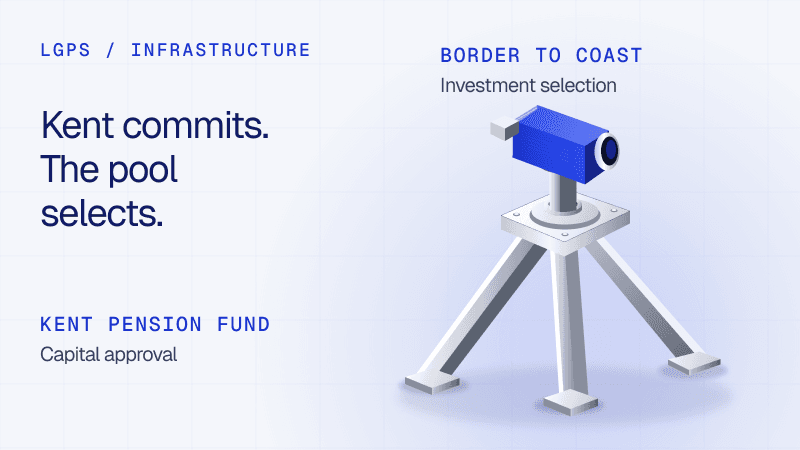
Kent’s £200m infrastructure approval and a separate LGPS Central co-investment show the distinct roles of local pension allocations and pool investment teams.

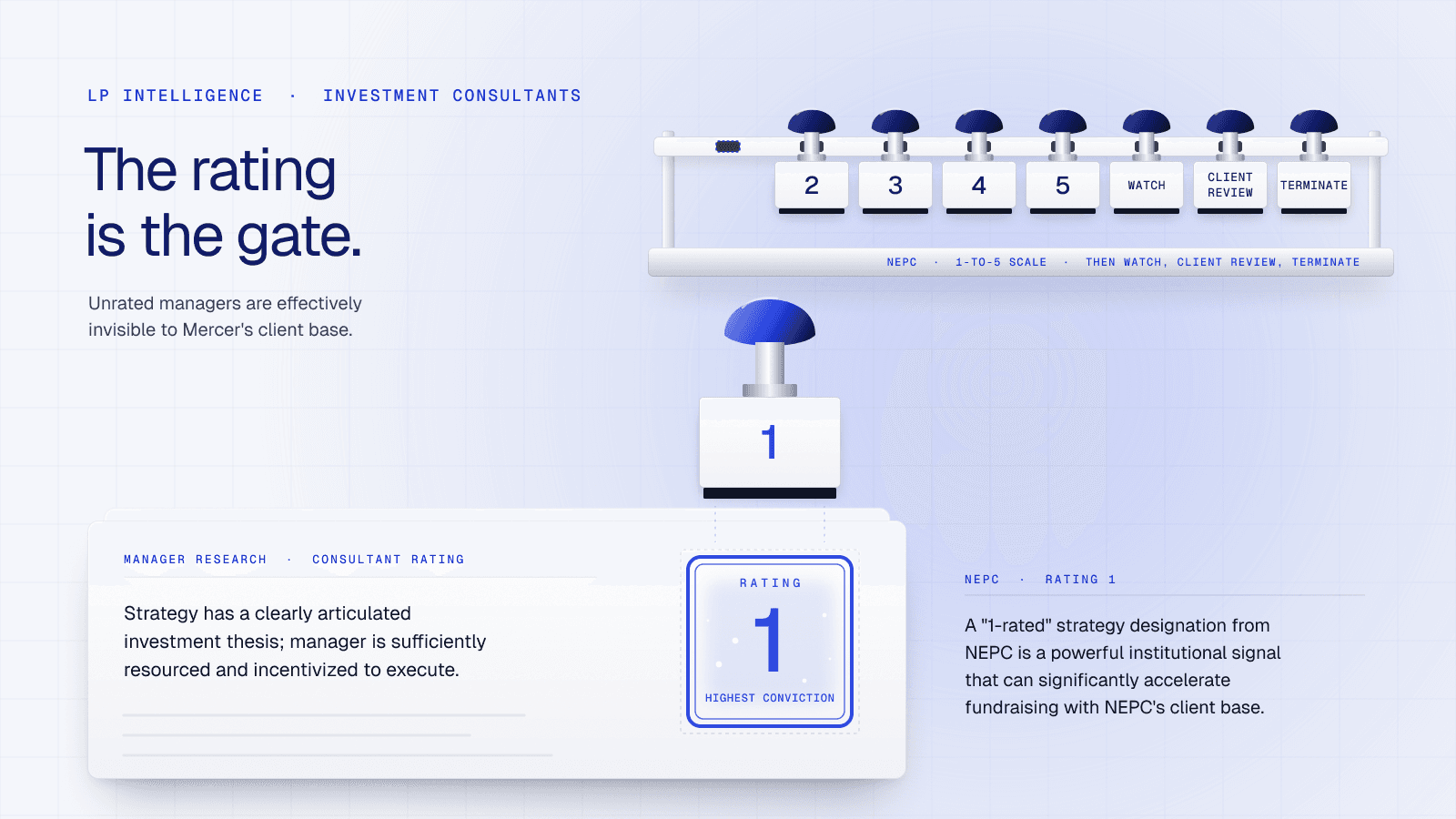
Investment consultants advise on $20T+ in institutional assets. How the manager selection process works, who controls it, and how GPs can navigate it in.

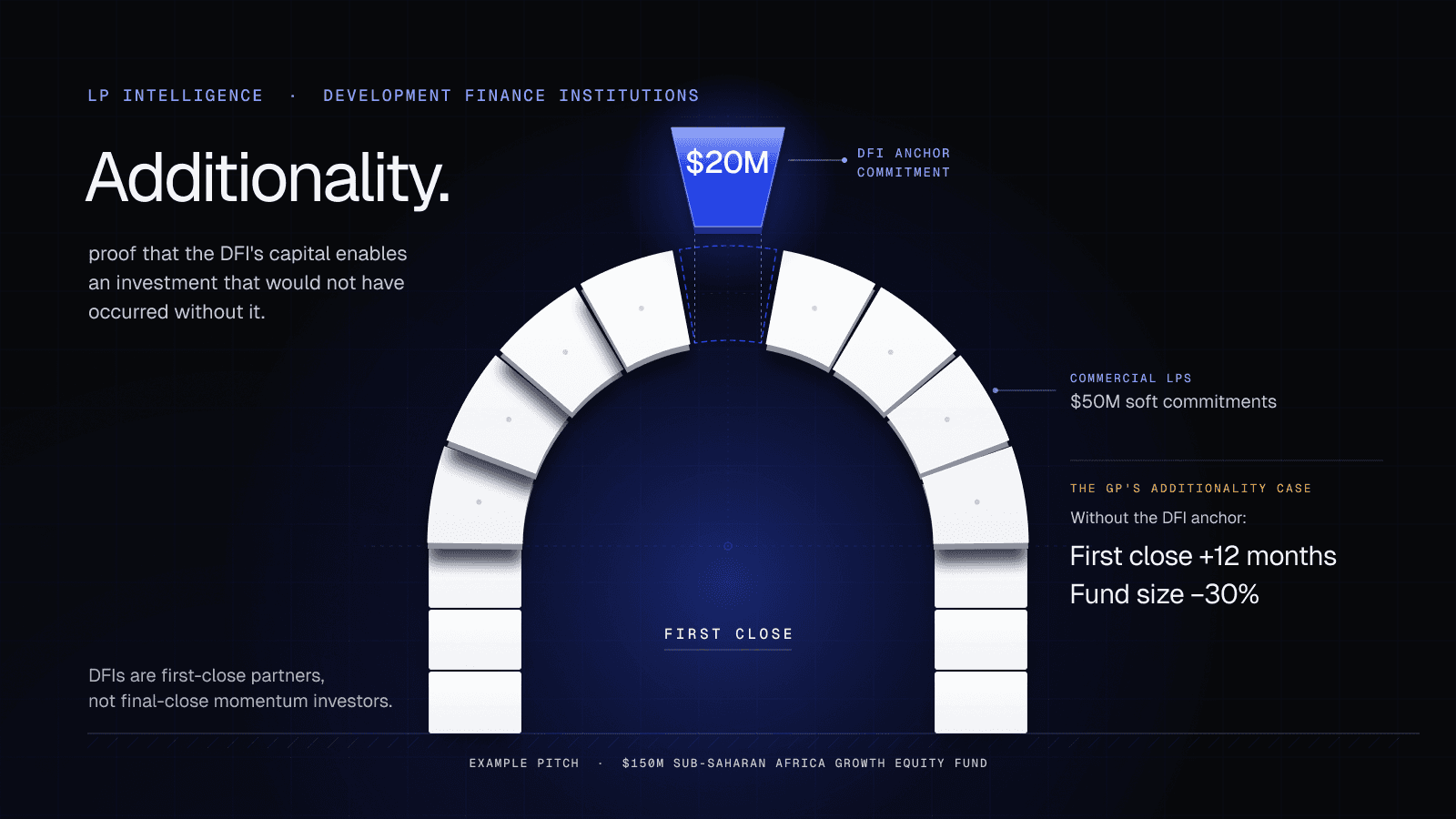
How DFIs invest in PE/VC funds, IFC and DFC fund selection criteria, EDFI commitment data, DFC reauthorization impact, and OSINT signals for emerging.

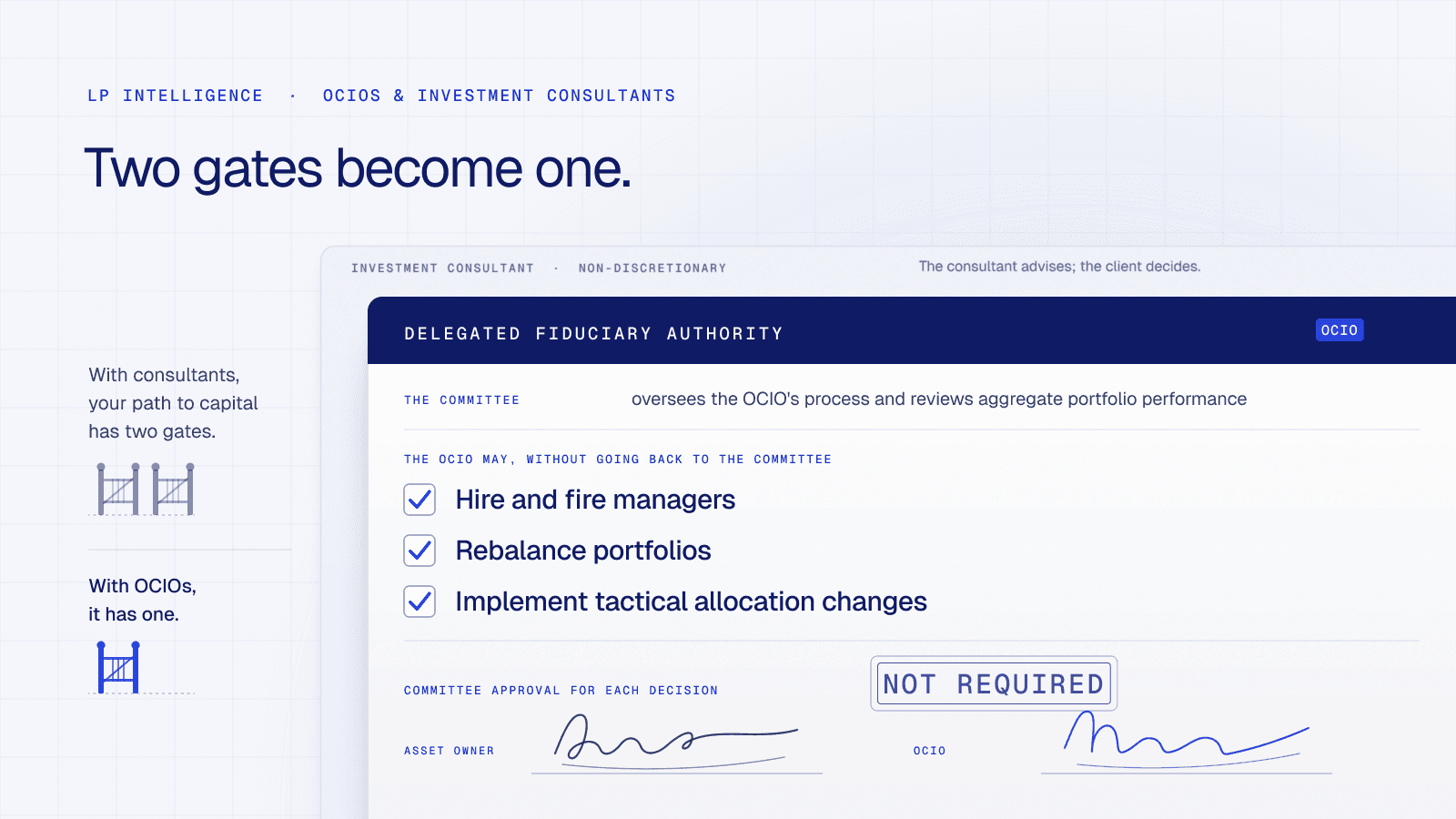
How OCIOs and consultants control $4T+ in institutional capital, approved list mechanics, GIPS performance reporting changes, and OSINT signals for 2026.

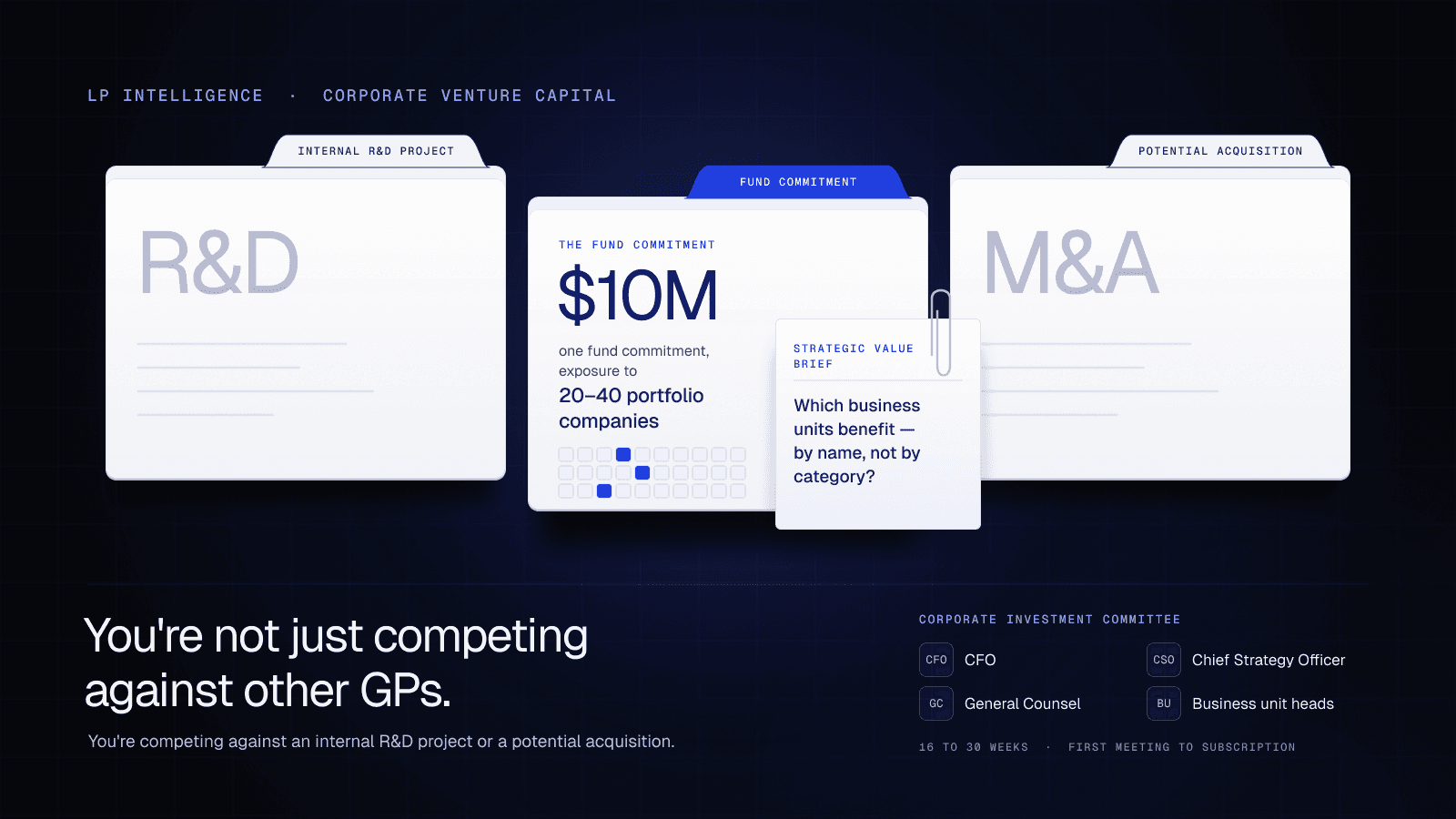
How CVCs allocate to external funds, structural models GPs must qualify, decision chain timelines, and OSINT signals for targeting CVC LP capital in 2026.

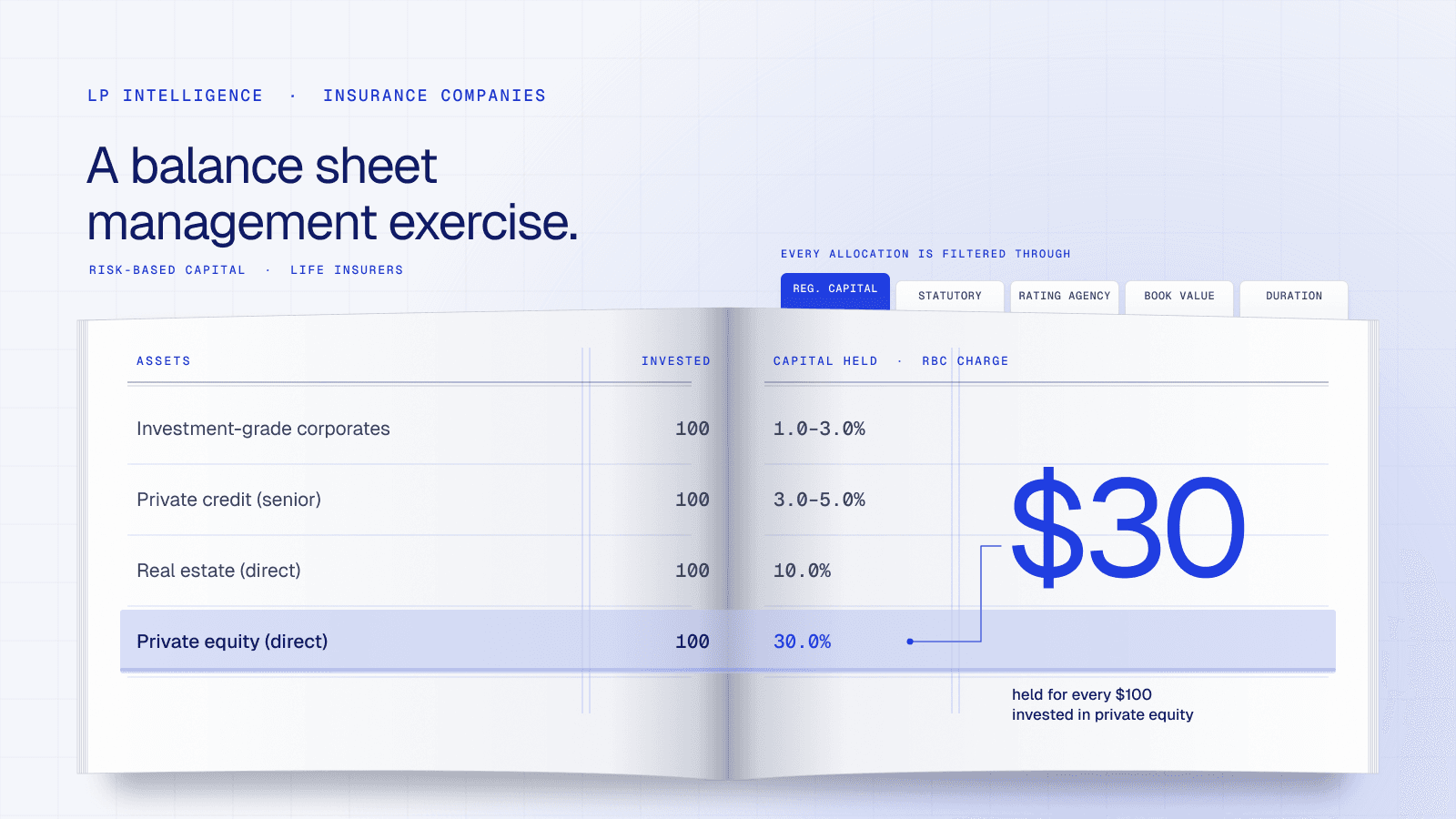
How insurance companies allocate to alternatives, regulatory frameworks shaping investment behavior, and practical GP targeting for 2026 fundraising.

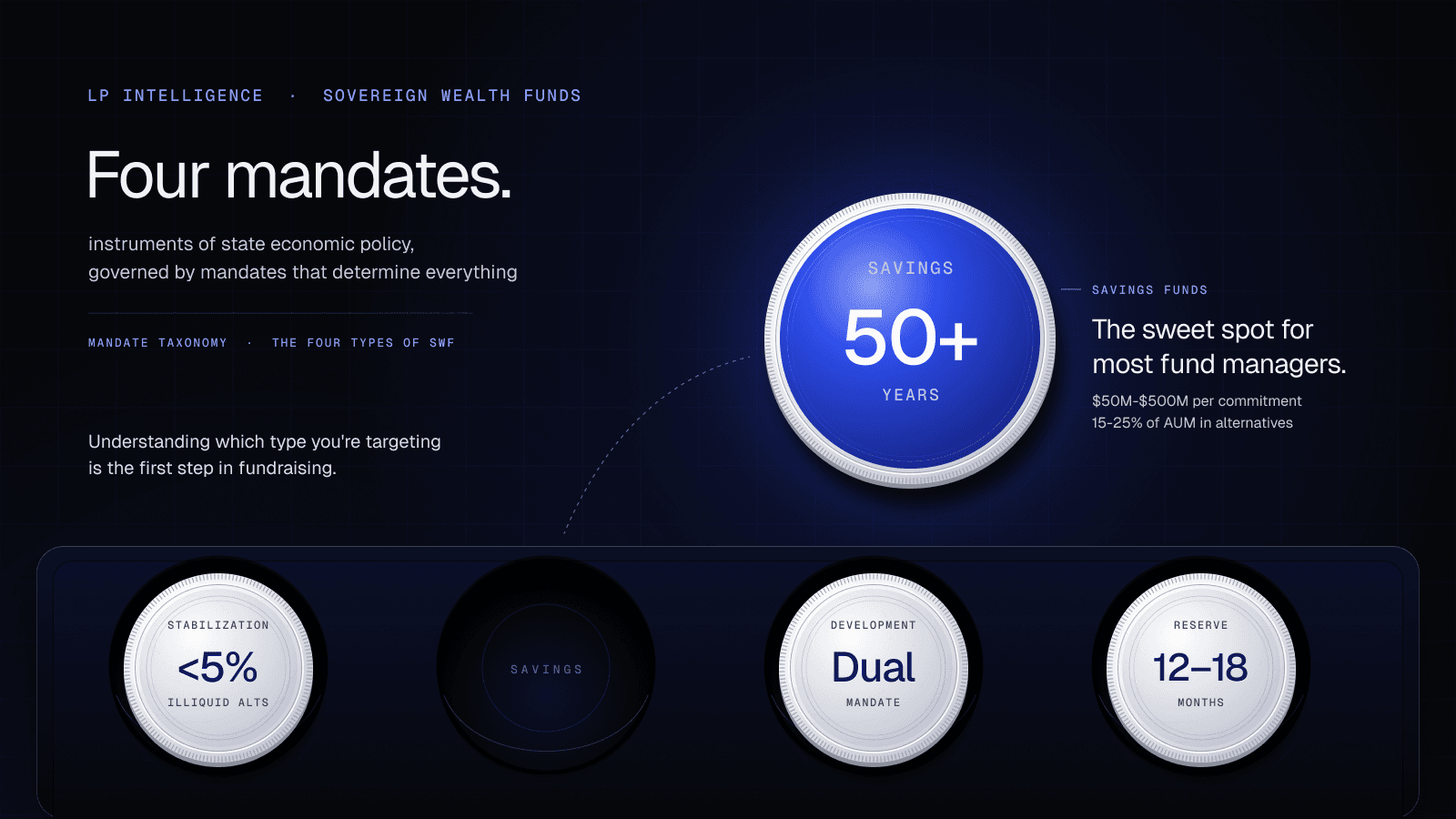
How sovereign wealth funds allocate to alternatives in 2026 — $14T in global assets, 22% in illiquid alts, mandate-driven decision chains, CFIUS dynamics.

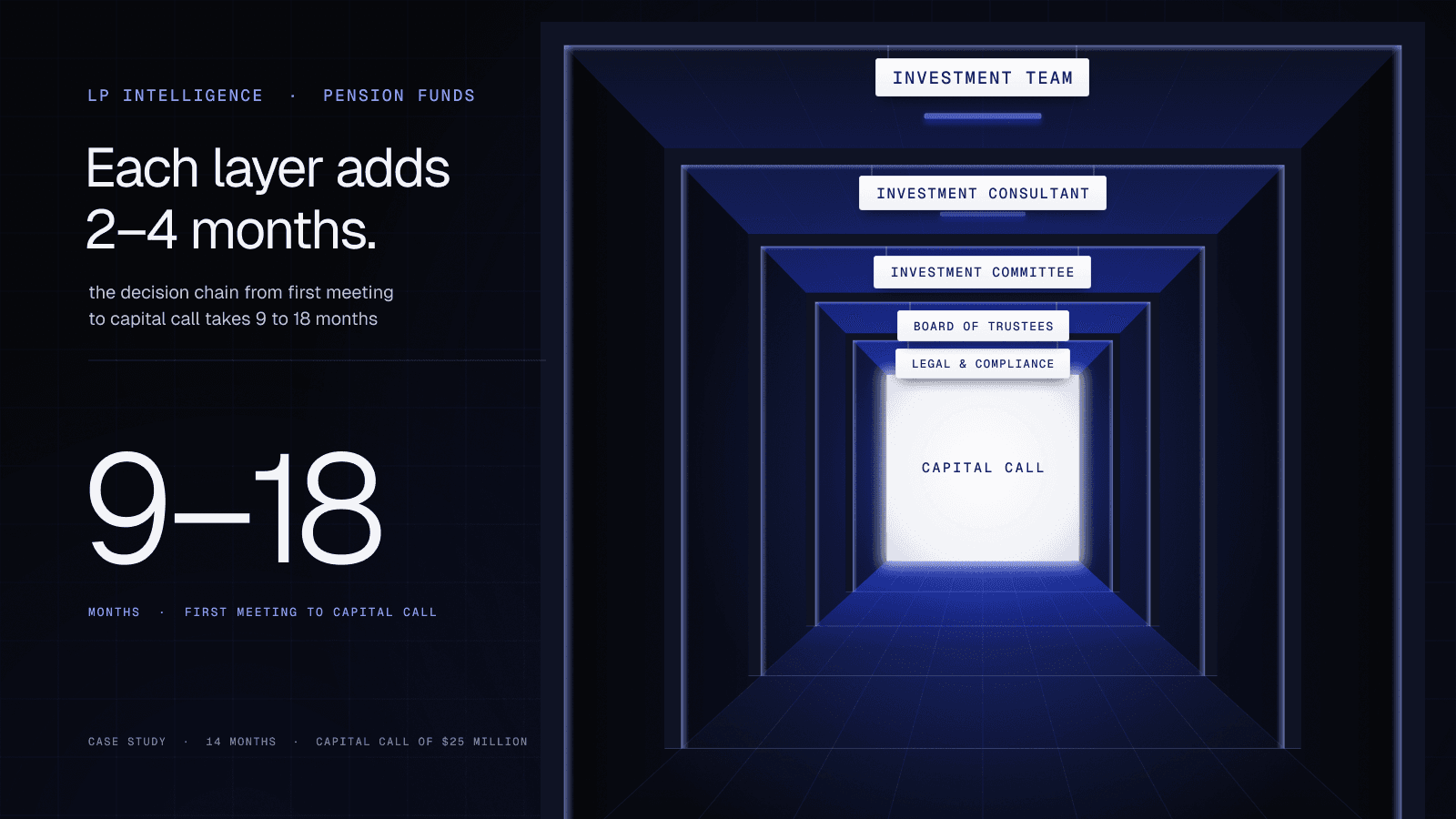
GP fundraising guide to pension mandates, delegated authority and manager diligence, with context on pension assets and GPIF's alternatives ceiling.

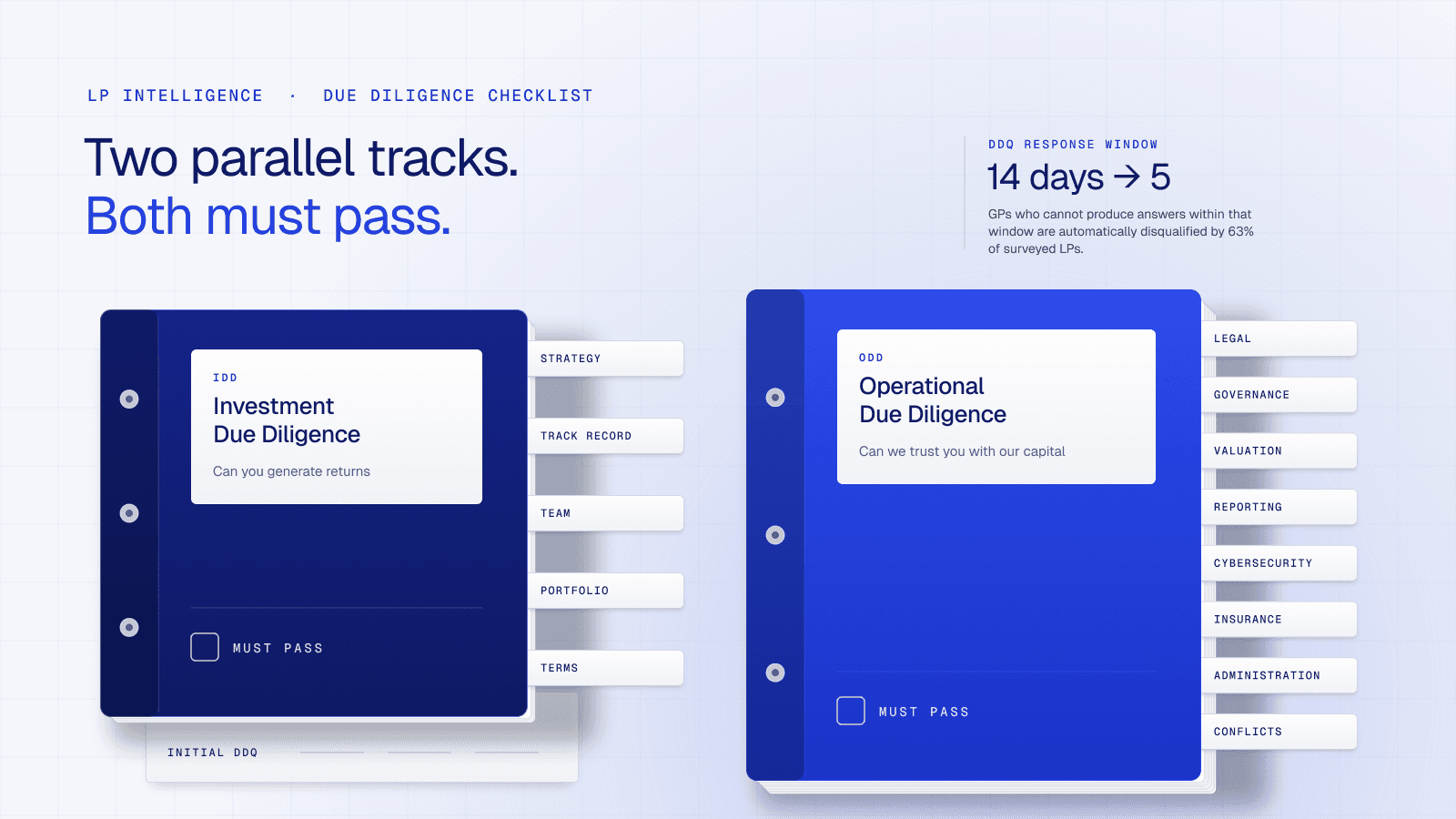
What LPs evaluate in investment and operational due diligence, the documents GPs need before fundraising, and the failure points that kill allocations.

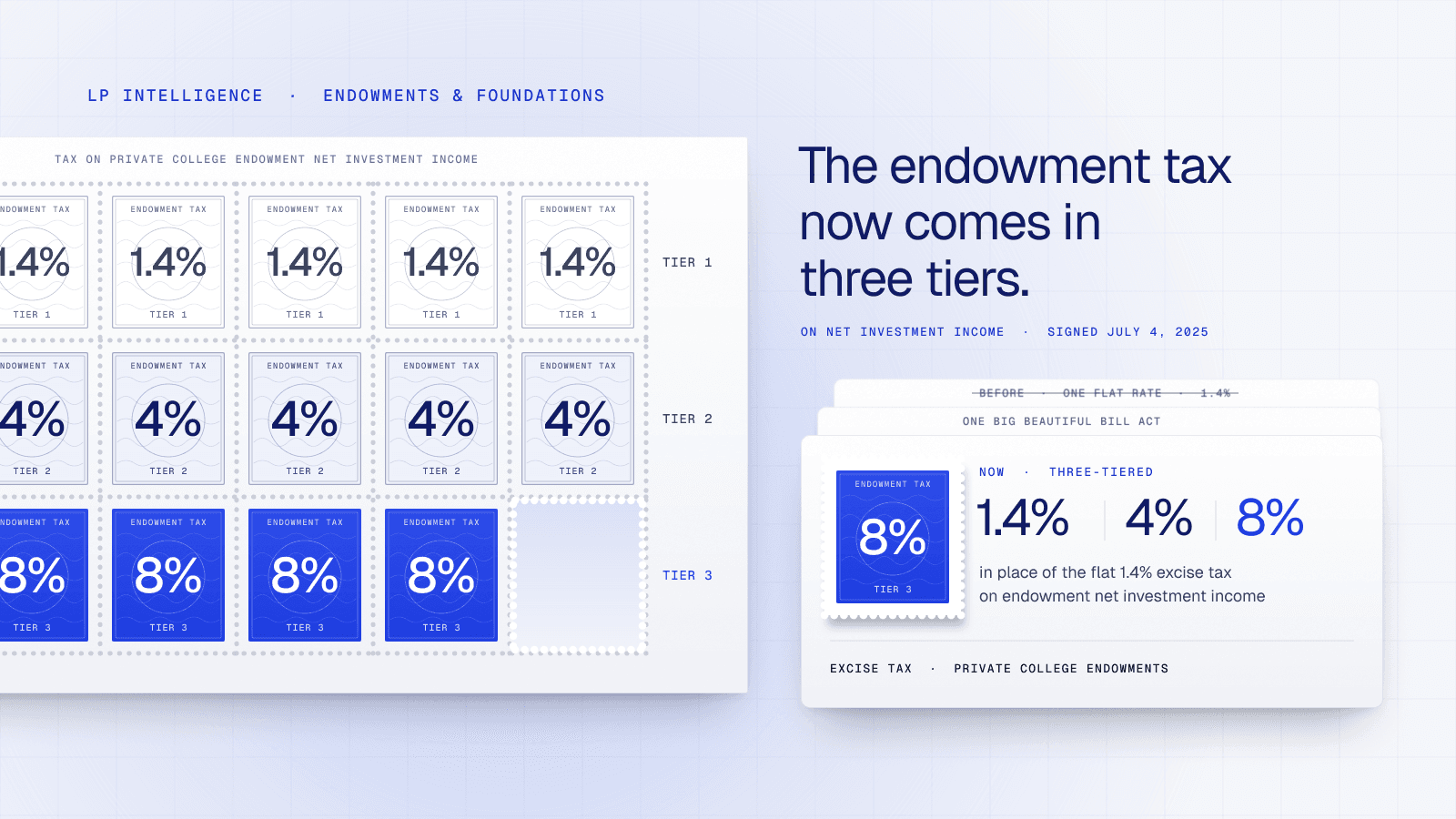
How endowments and foundations allocate to alternatives, how the 2025 endowment tax reshapes GP fundraising, and how to navigate the 6–18 month decision.

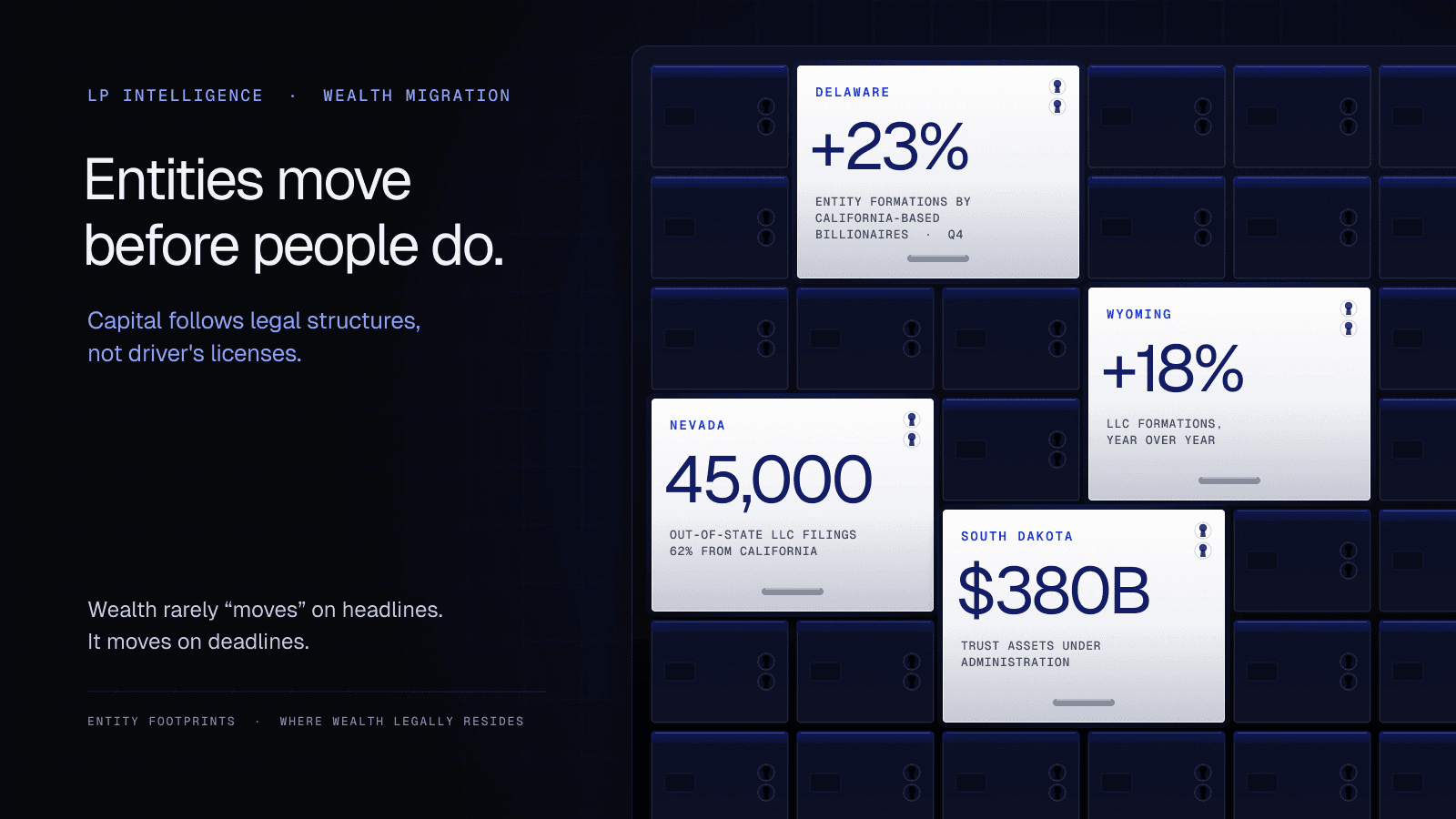
Non-political OSINT analysis of wealth migration signals in 2026: entity footprints, office presence, advisor gravity, and multi-hub behavior. Data-driven

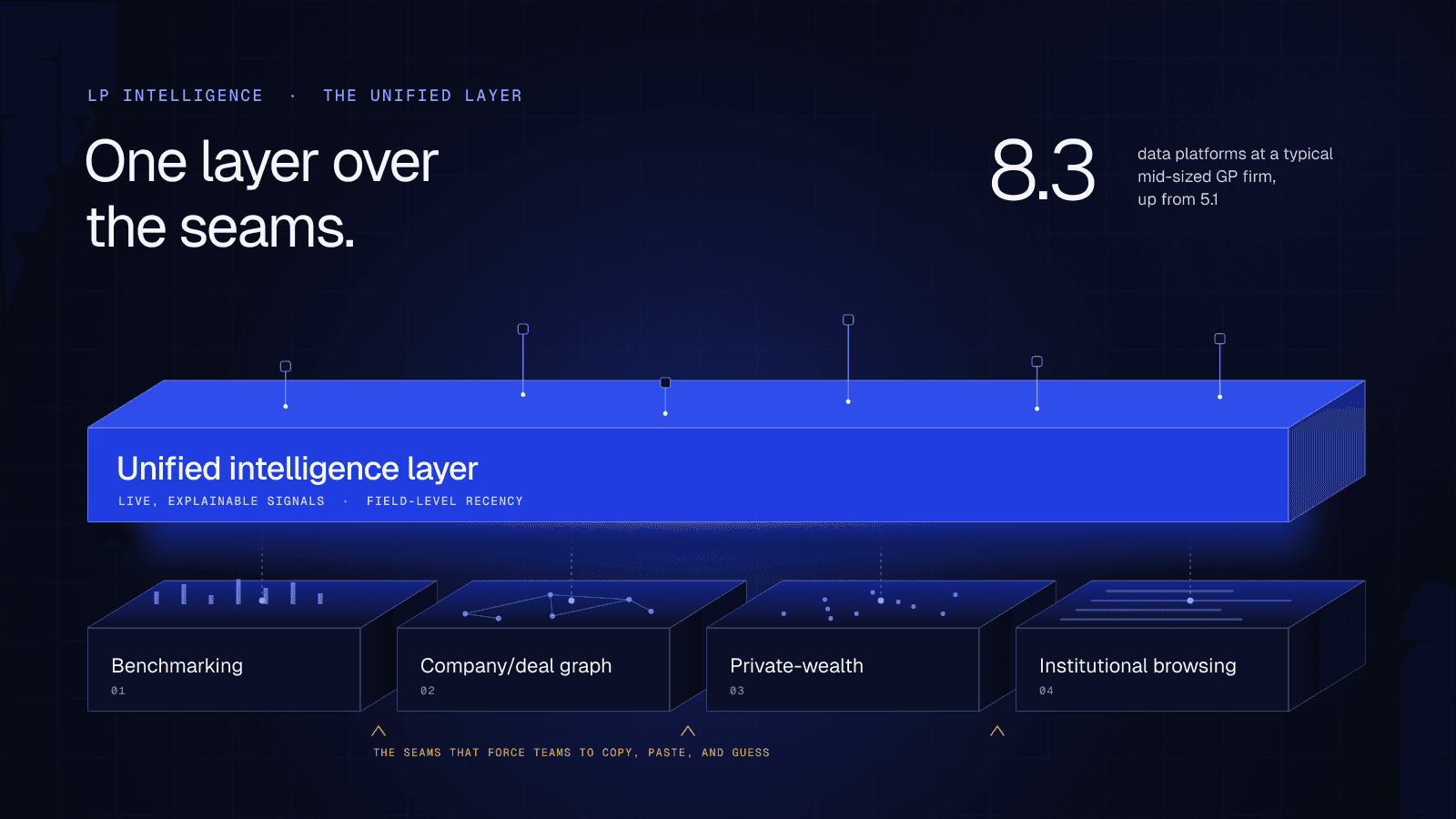
The fragmentation of private-markets data is costing GPs time, money, and missed allocations. Altss builds the unified intelligence layer—combining benchma

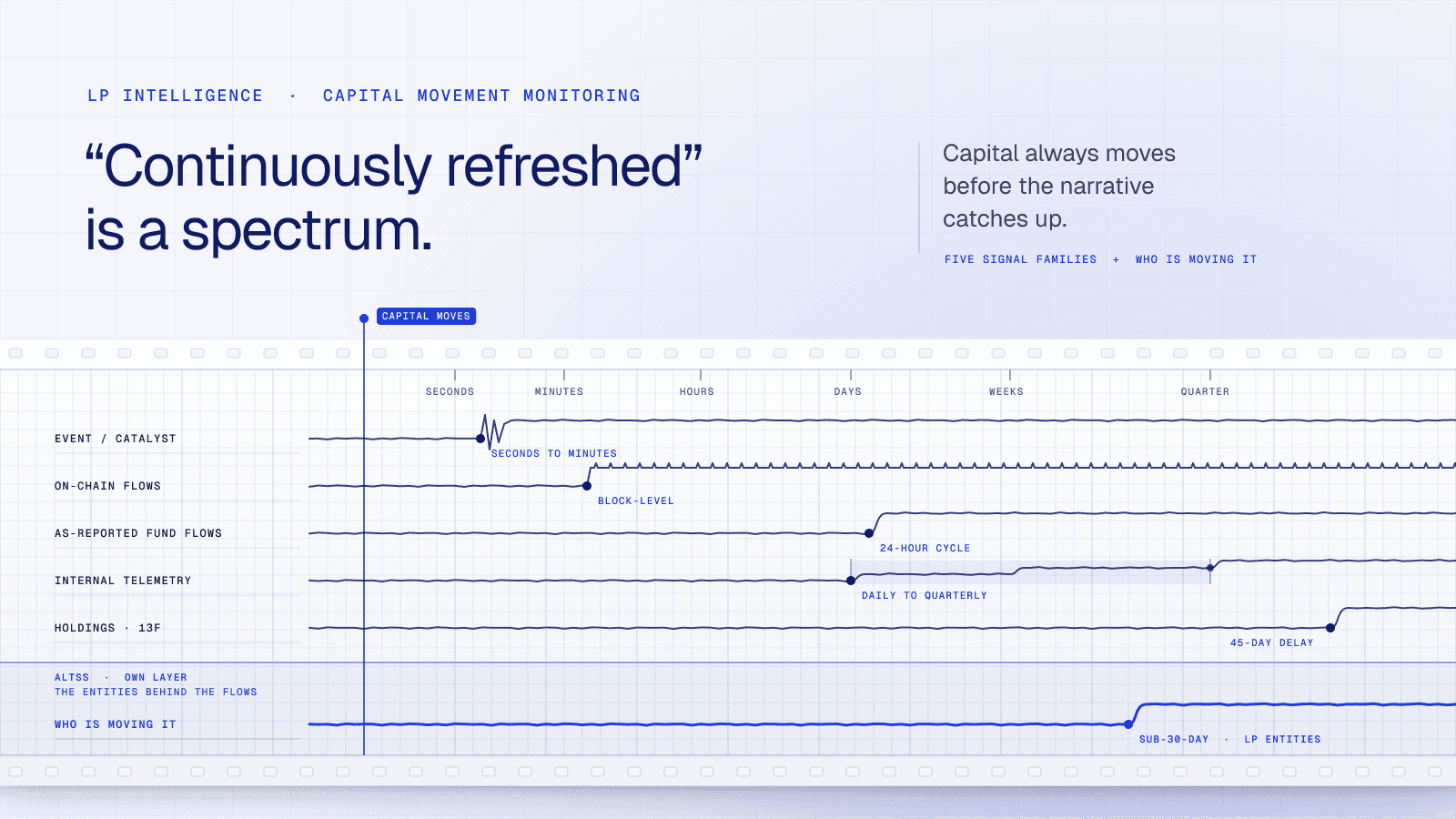
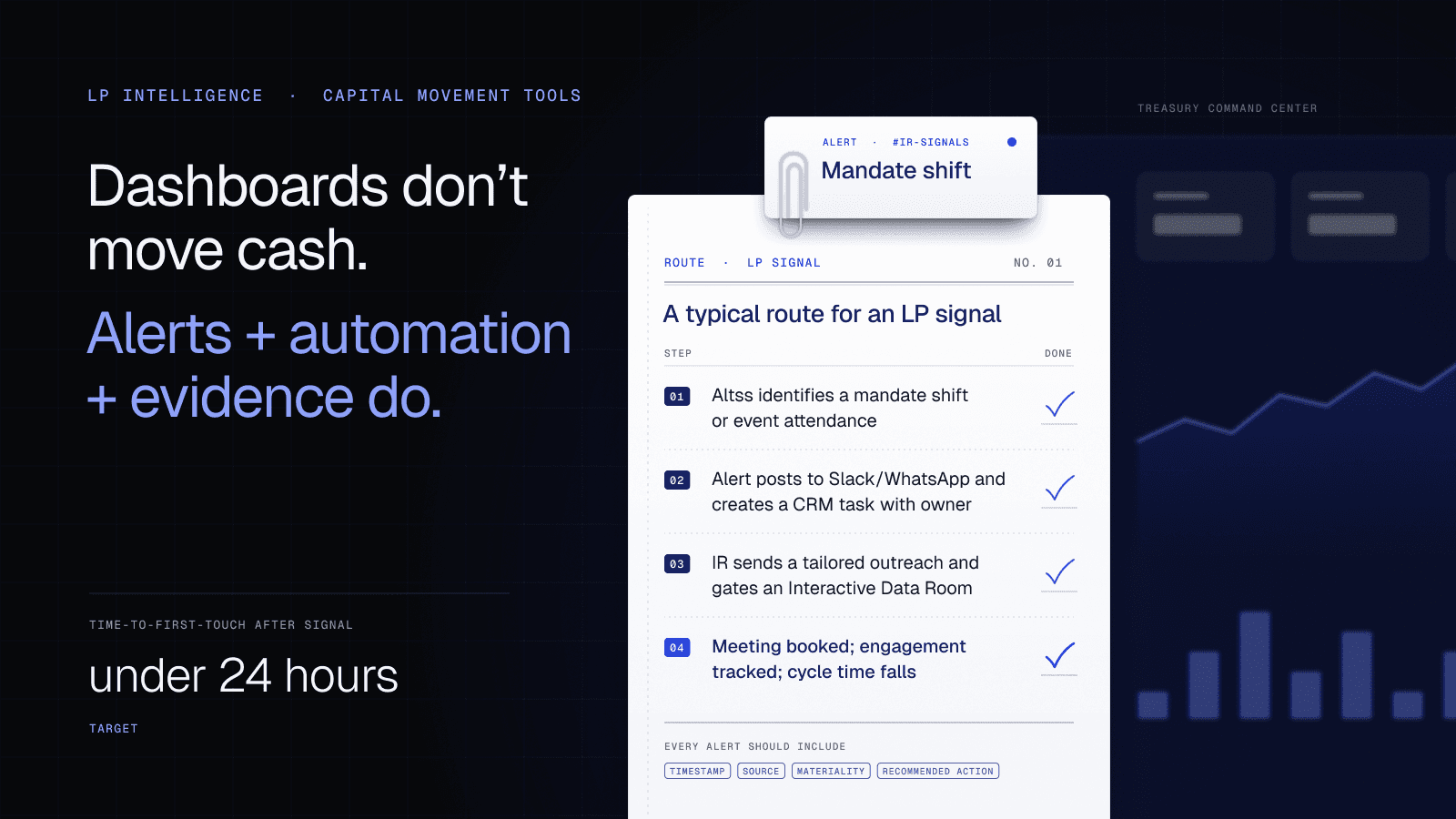
Compare AI tools that reveal money in motion—fund flows, catalysts, and on-chain wallets—so IR teams act on allocation shifts faster. Updated for 2026.

The 2025 guide to continuously refreshed capital movement tools—how treasury and IR teams should buy, integrate, and where Altss fits for allocator.

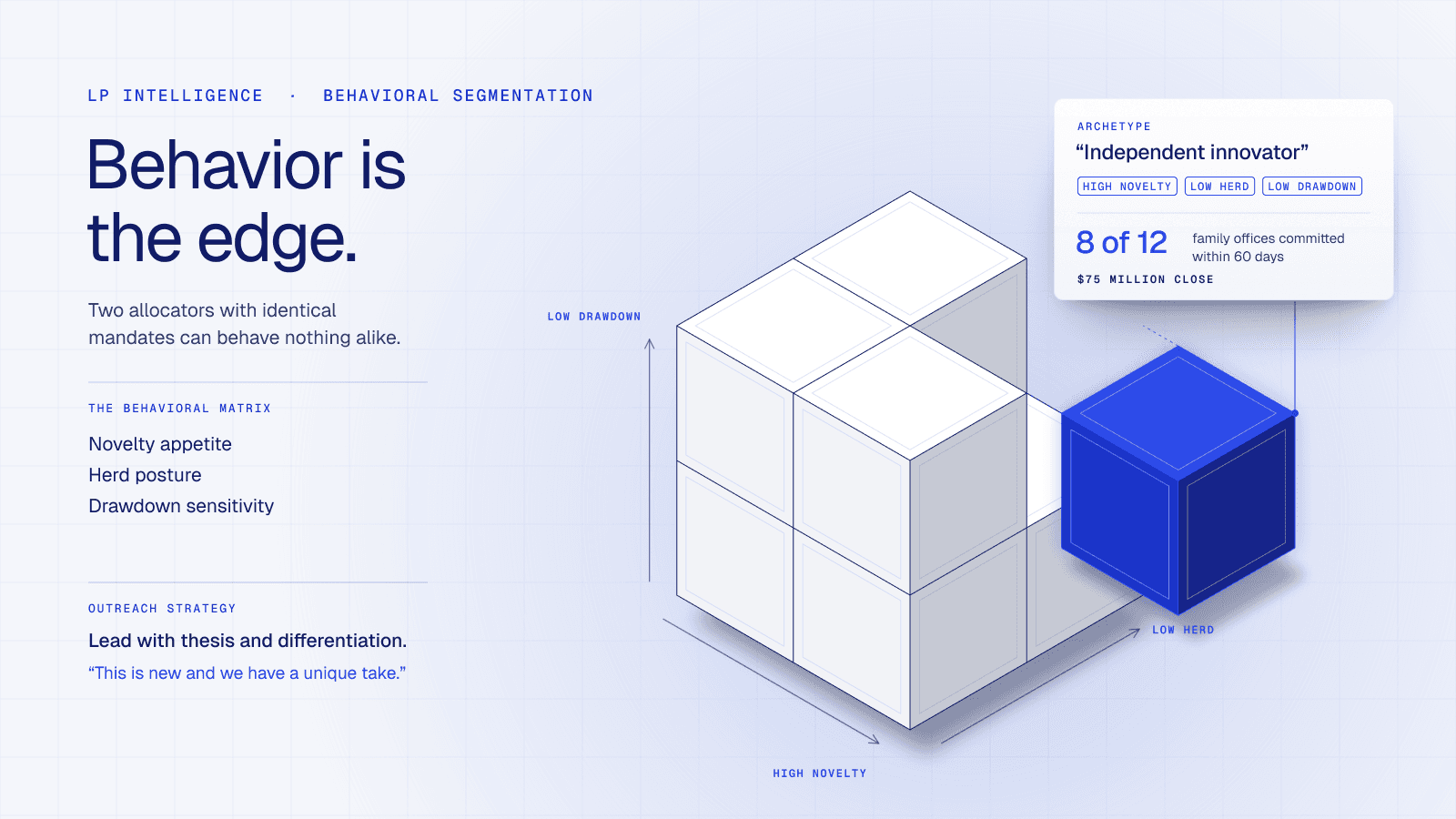
How fund managers use behavioral analysis to segment LPs, time outreach, and convert meetings to diligence in 2026.

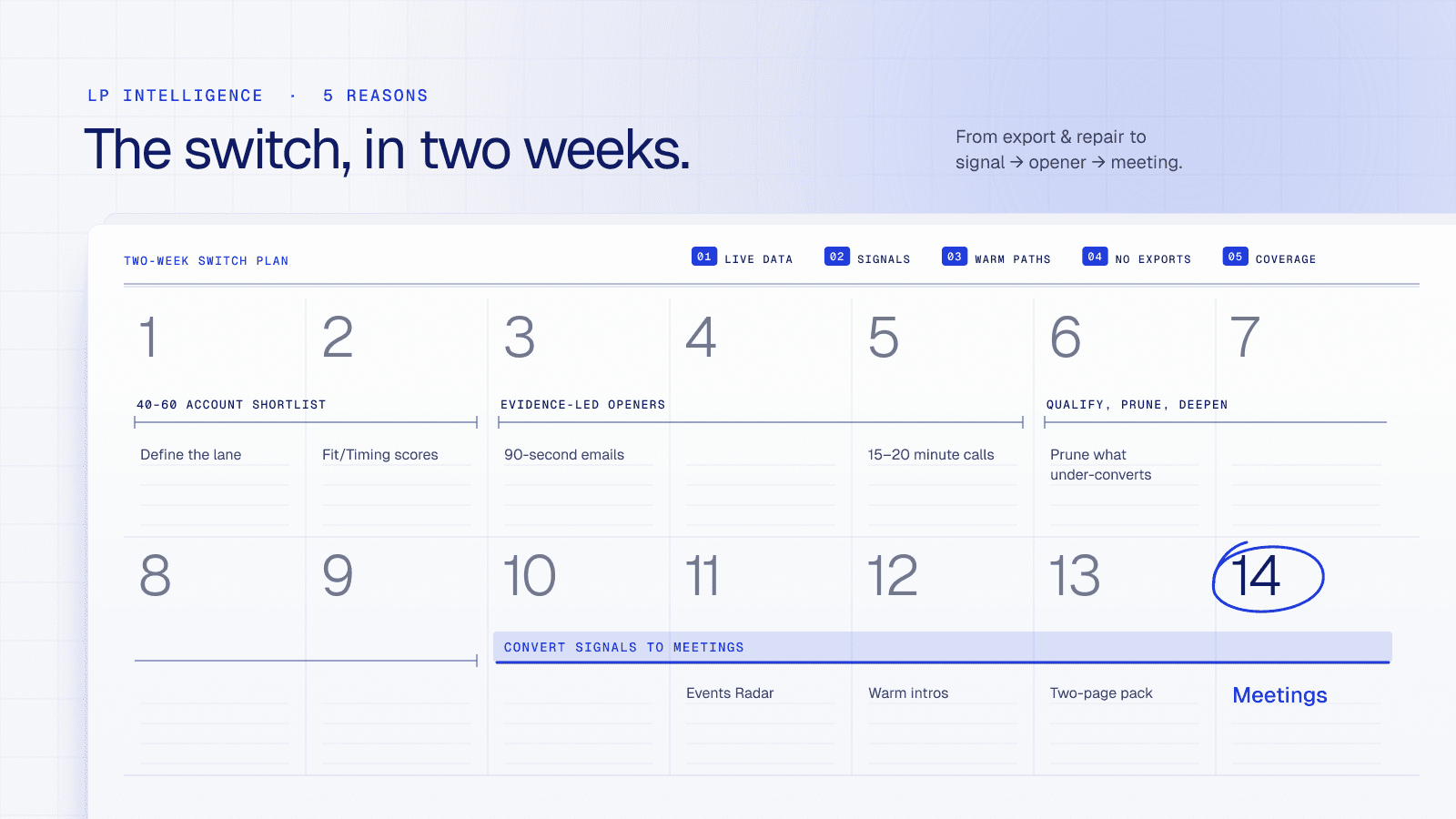
In the 2025 fundraising arena, speed isn’t optional—it’s survival. Investor-relations teams, independent sponsors, and managers from seed-stage to.

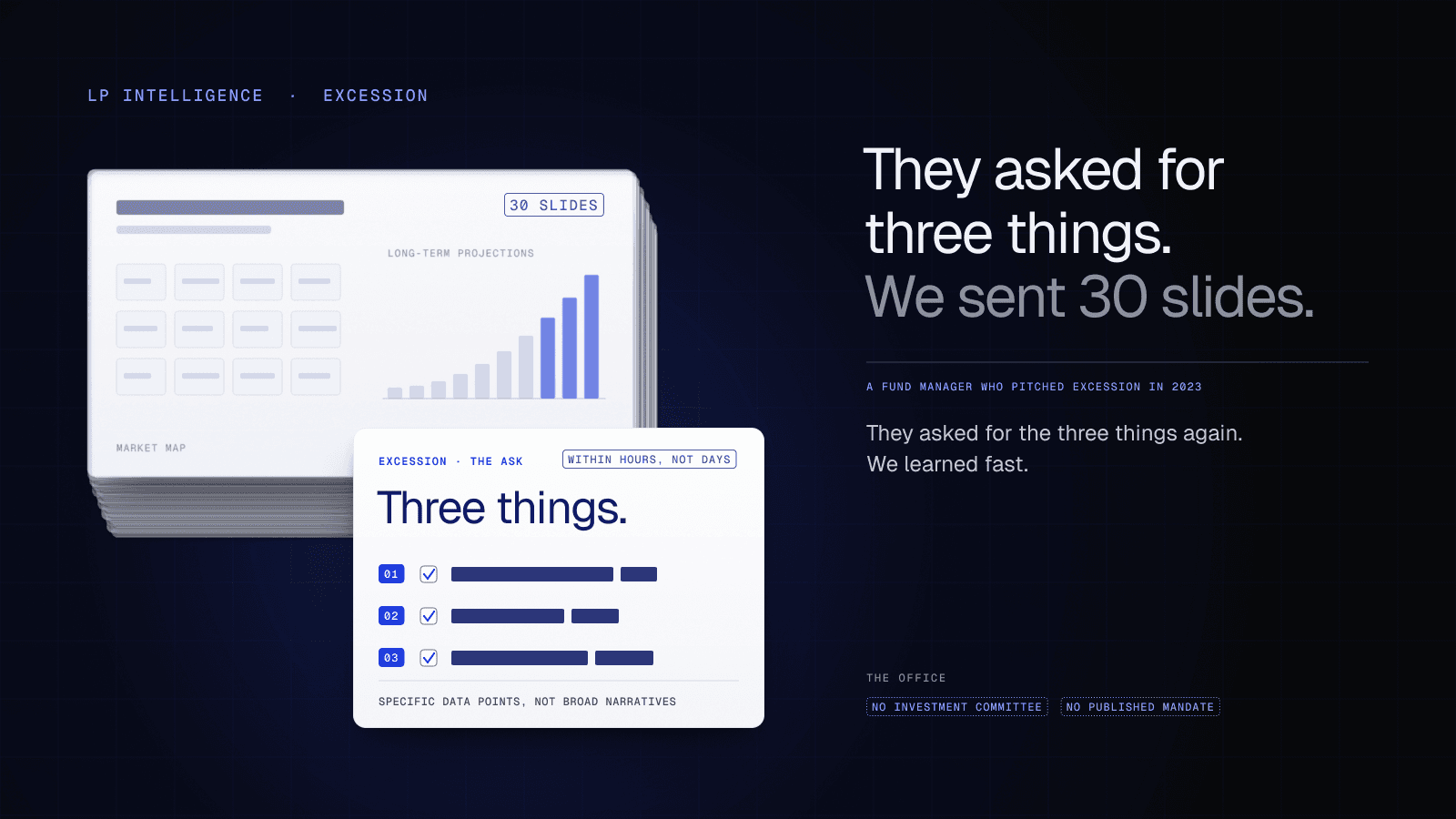
Comprehensive 2026 profile of Excession LLC: Elon Musk's single-family office, its gatekeeper Jared Birchall, investment strategy, and actionable intellige

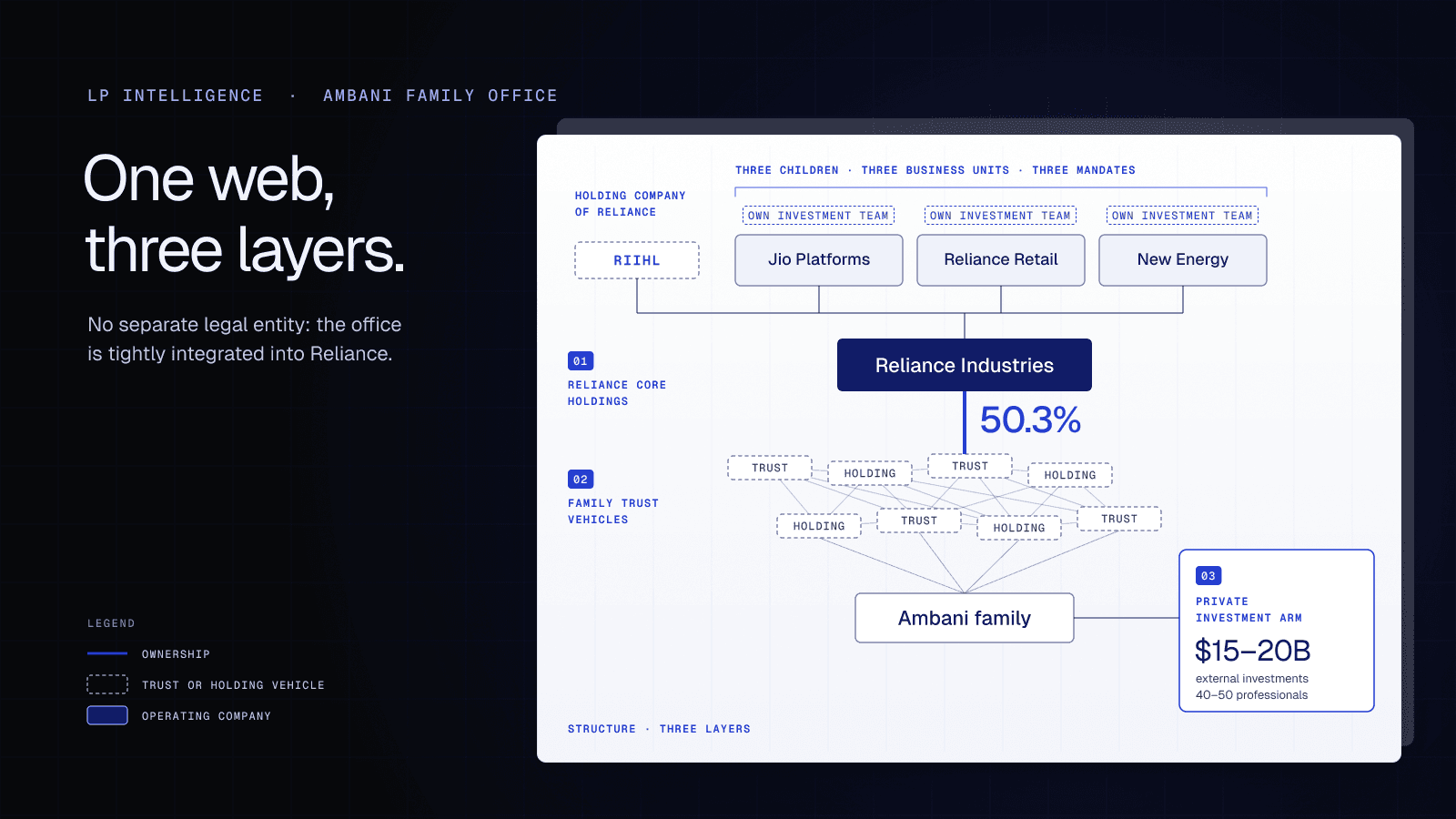
A comprehensive 2026 profile of Mukesh Ambani's family office — its structure, investment strategy, allocator behavior, and practical advice for fund manag

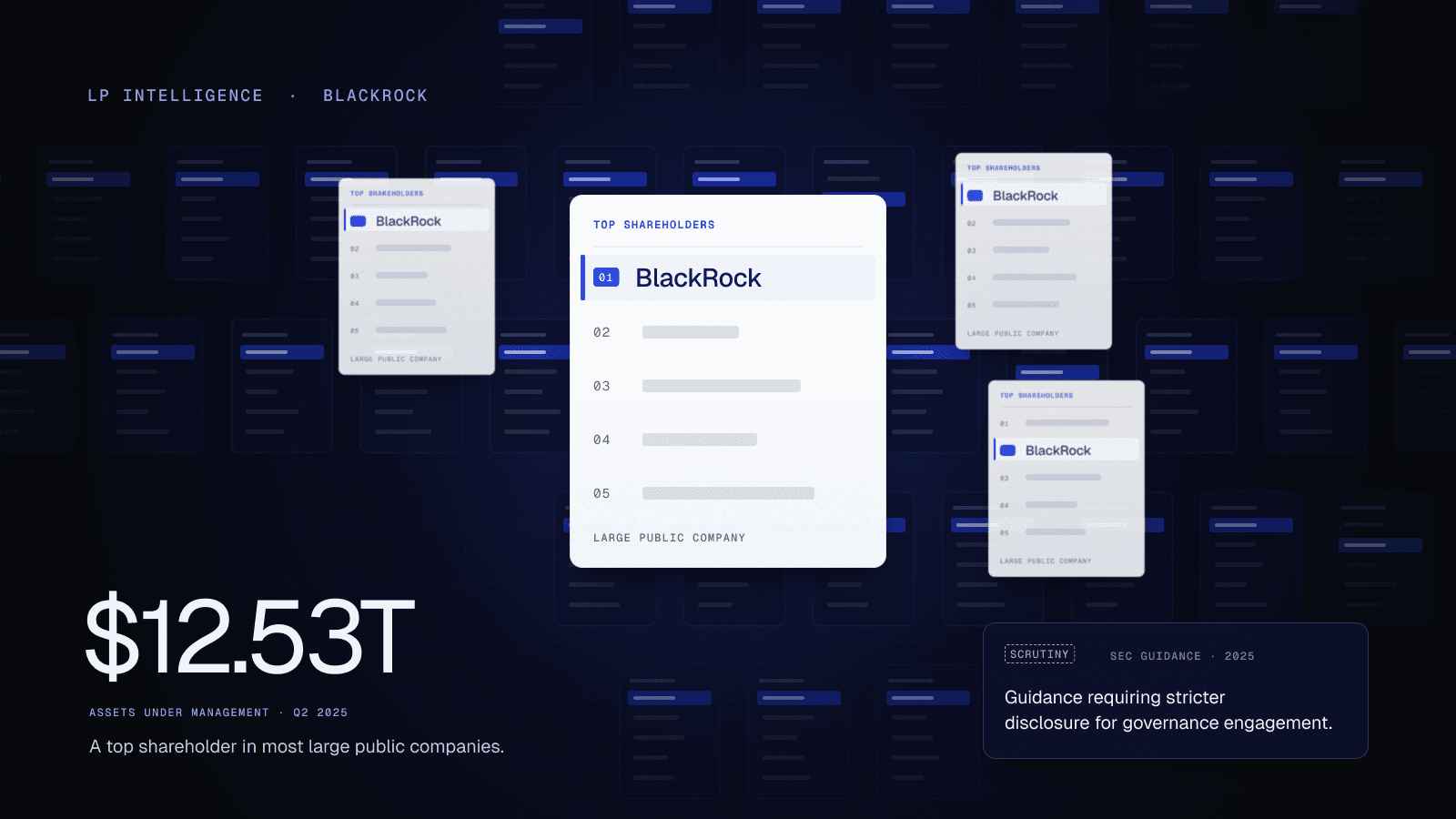
BlackRock’s assets reached a record $12.53 trillion in Q2 2025. This article explores the firm’s scale, regulatory challenges, and strategy across ETFs.

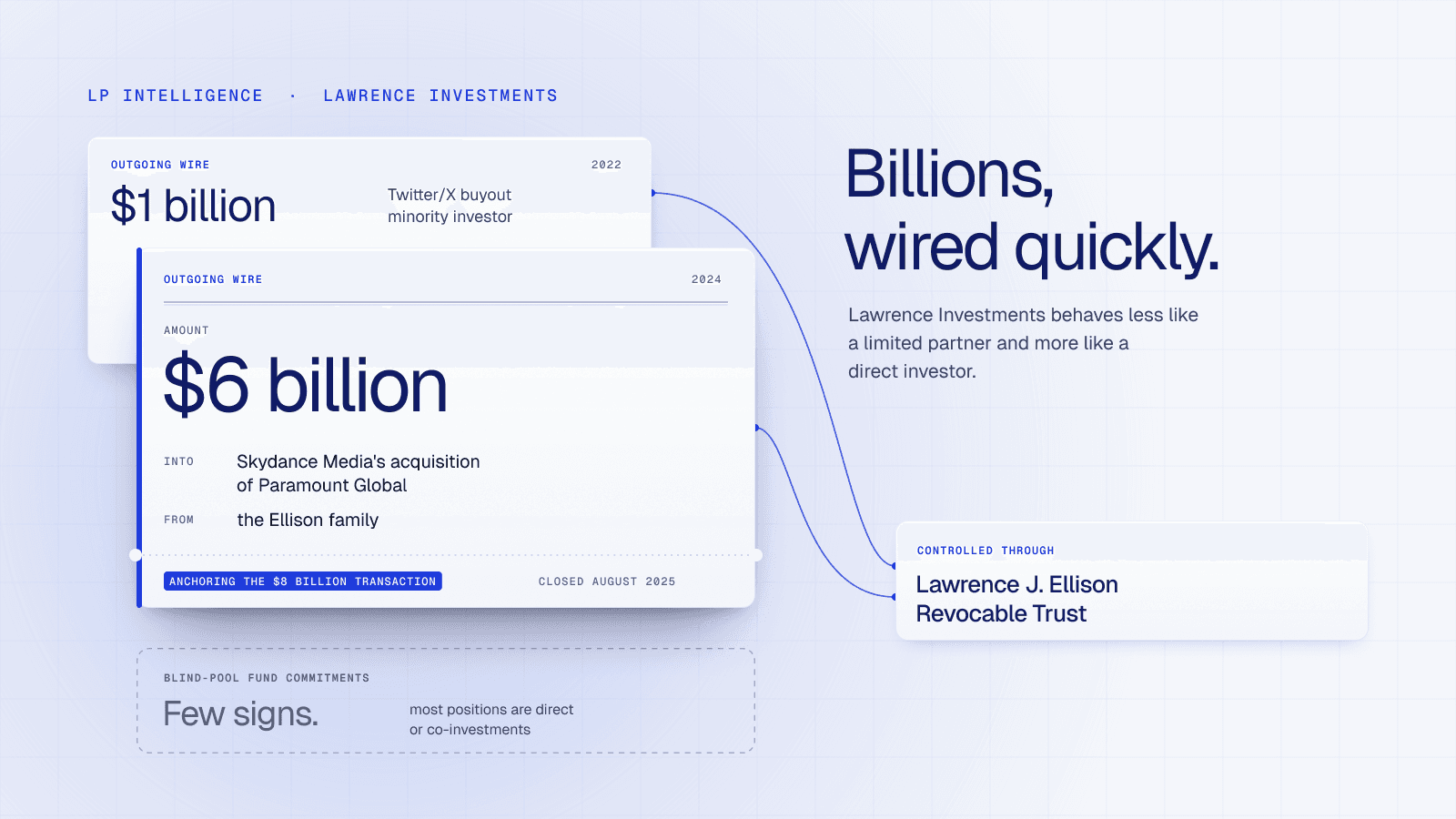
Larry Ellison’s family office, Lawrence Investments, manages over $160 billion, making it one of the largest single-family offices in the world. This 2025.

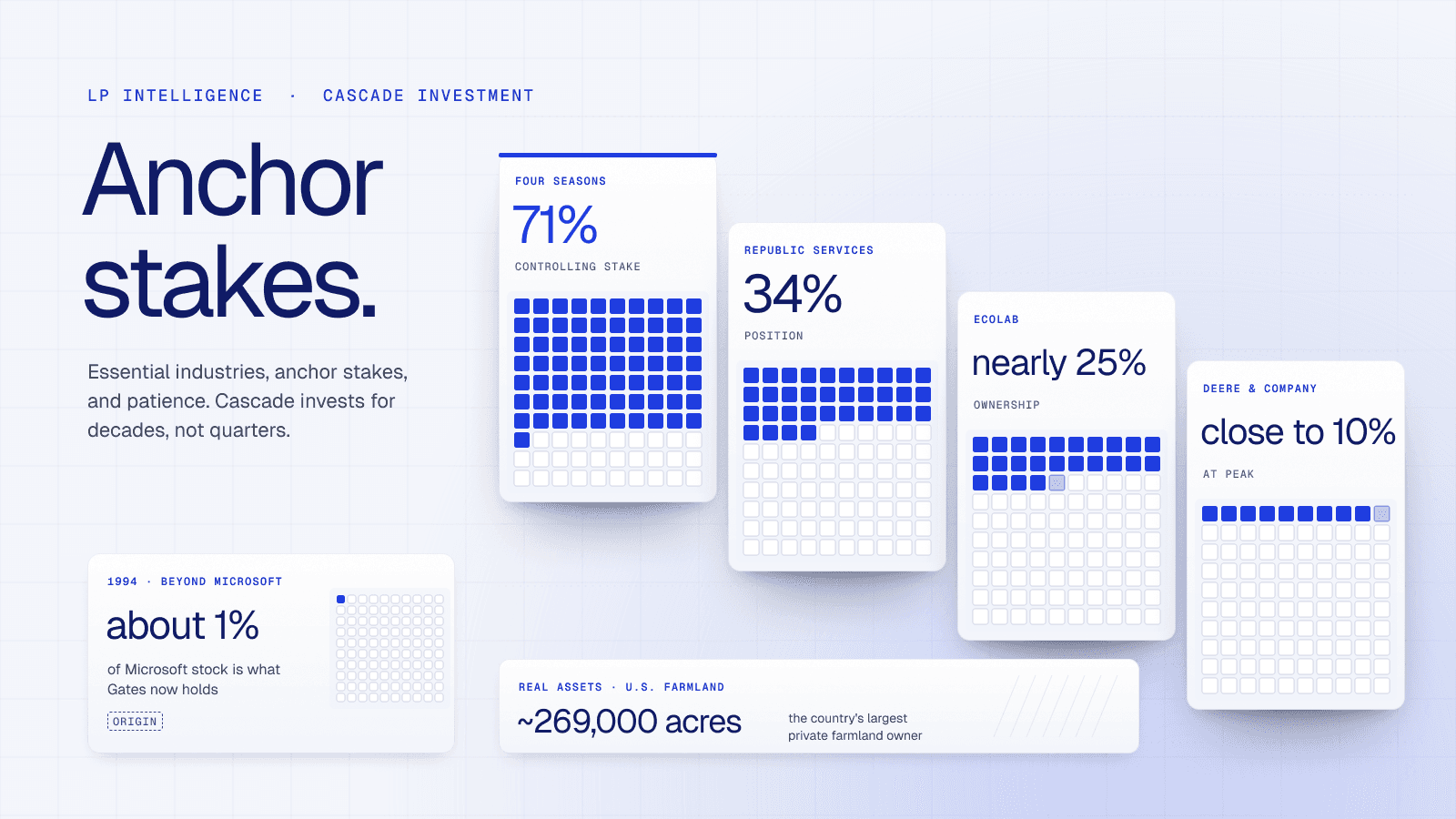
Bill Gates’ family office, Cascade Investment, manages one of the world’s largest private fortunes. This article profiles Cascade in 2025, examining its.

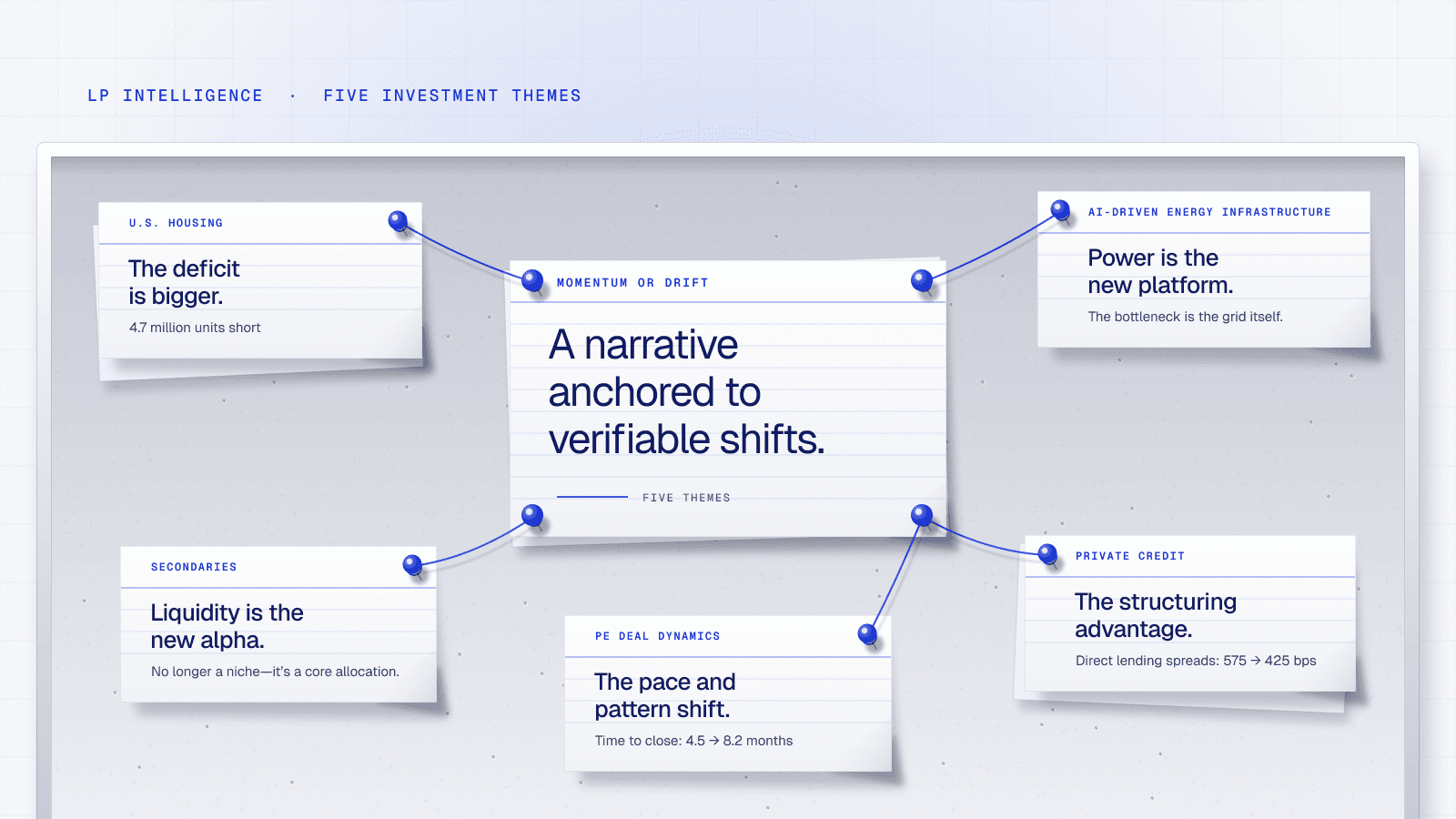
Selective but opportunity-rich, private markets in 2025 are coalescing around five investable themes—U.S. housing supply, AI-driven energy infrastructure.

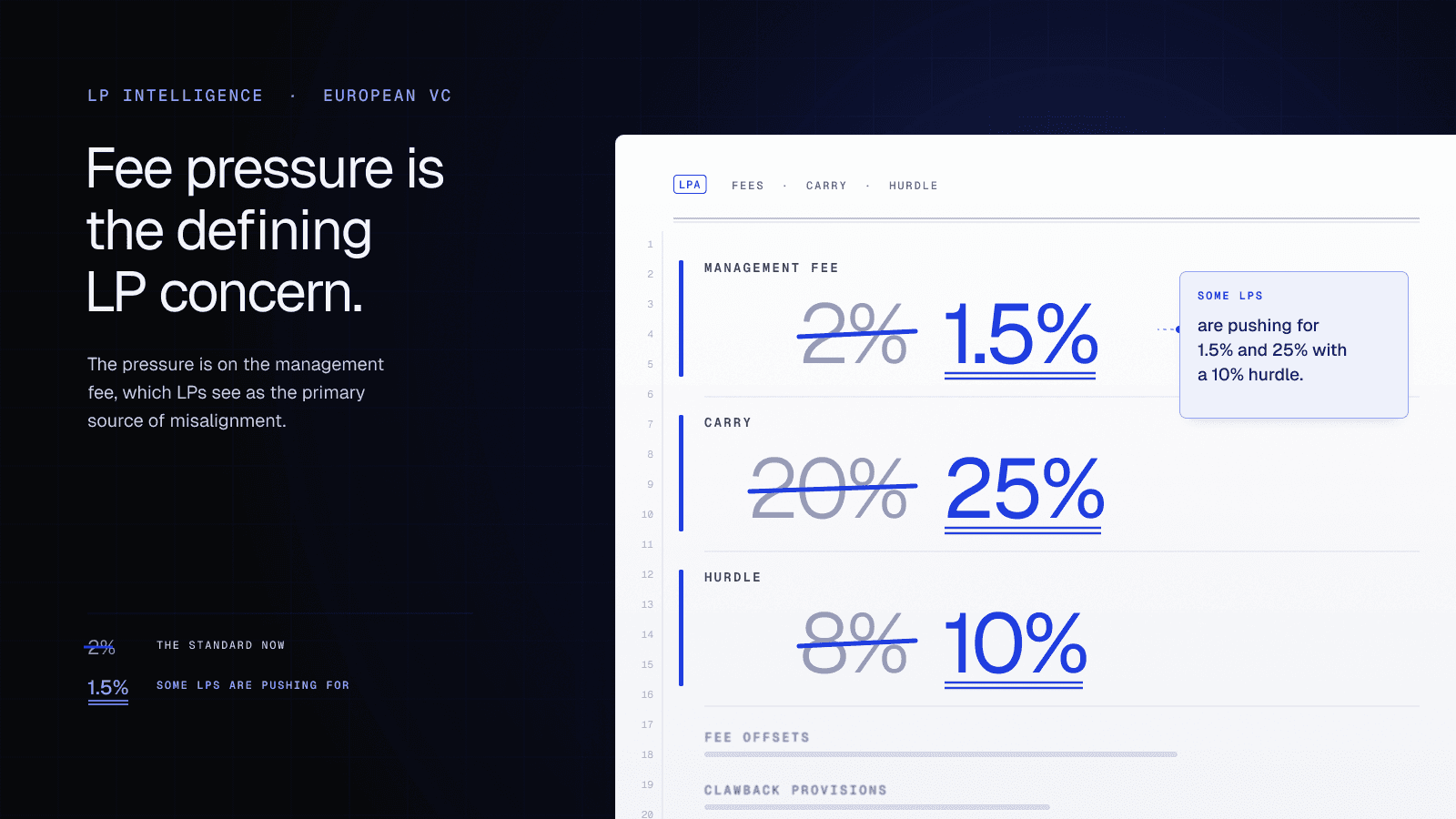
European VC fundraising in 2025 has shifted from a decade of easy capital to a disciplined, selective market. LPs are concentrating commitments in.

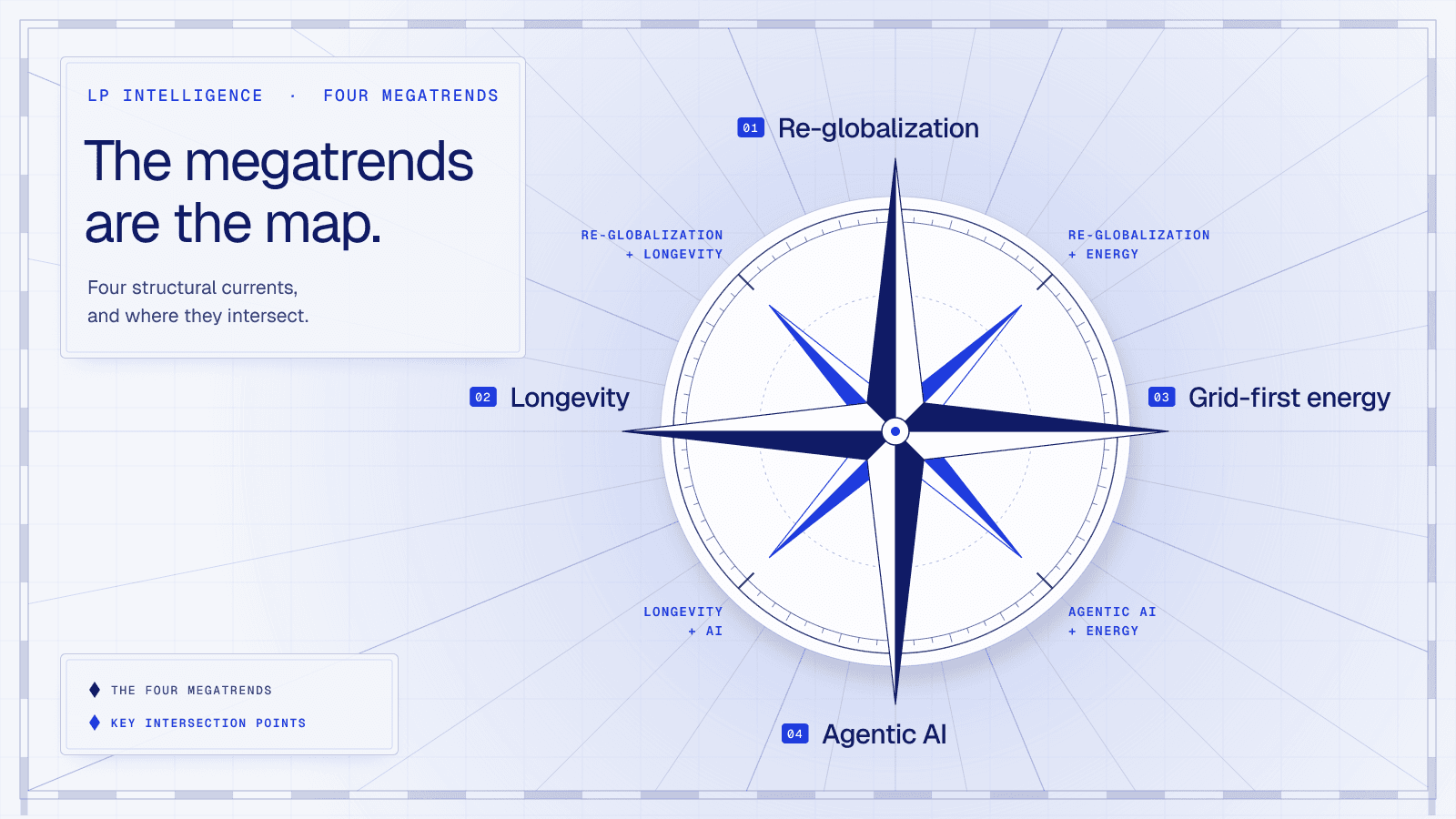
Re-globalization, longevity, grid-first energy, and agentic AI are reshaping capital formation. Altss turns live allocator signals into meetings.

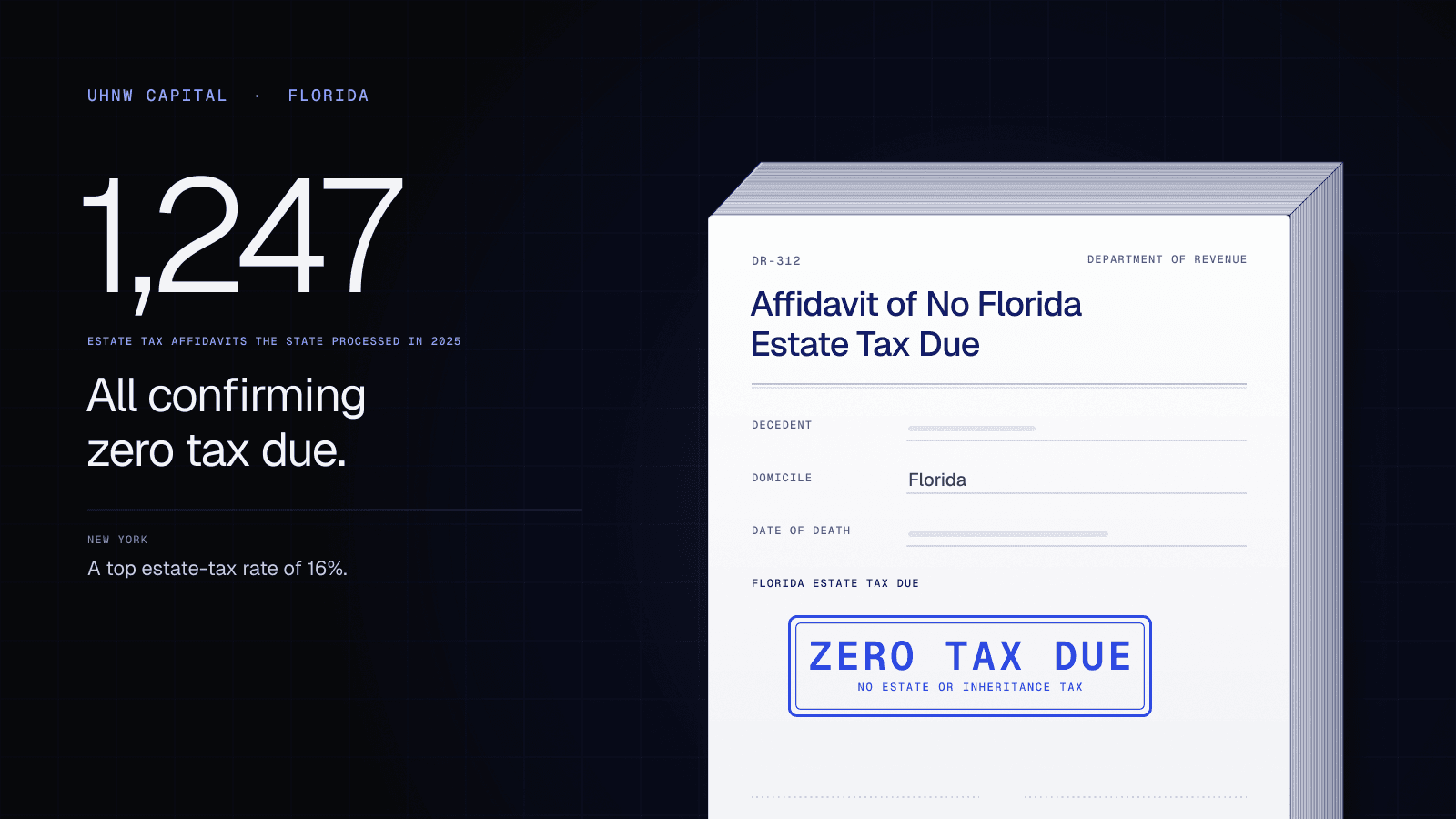
Comprehensive analysis of Florida's structural advantages for UHNW families: tax clarity, asset protection, Miami anchor weeks, and a practical playbook fo

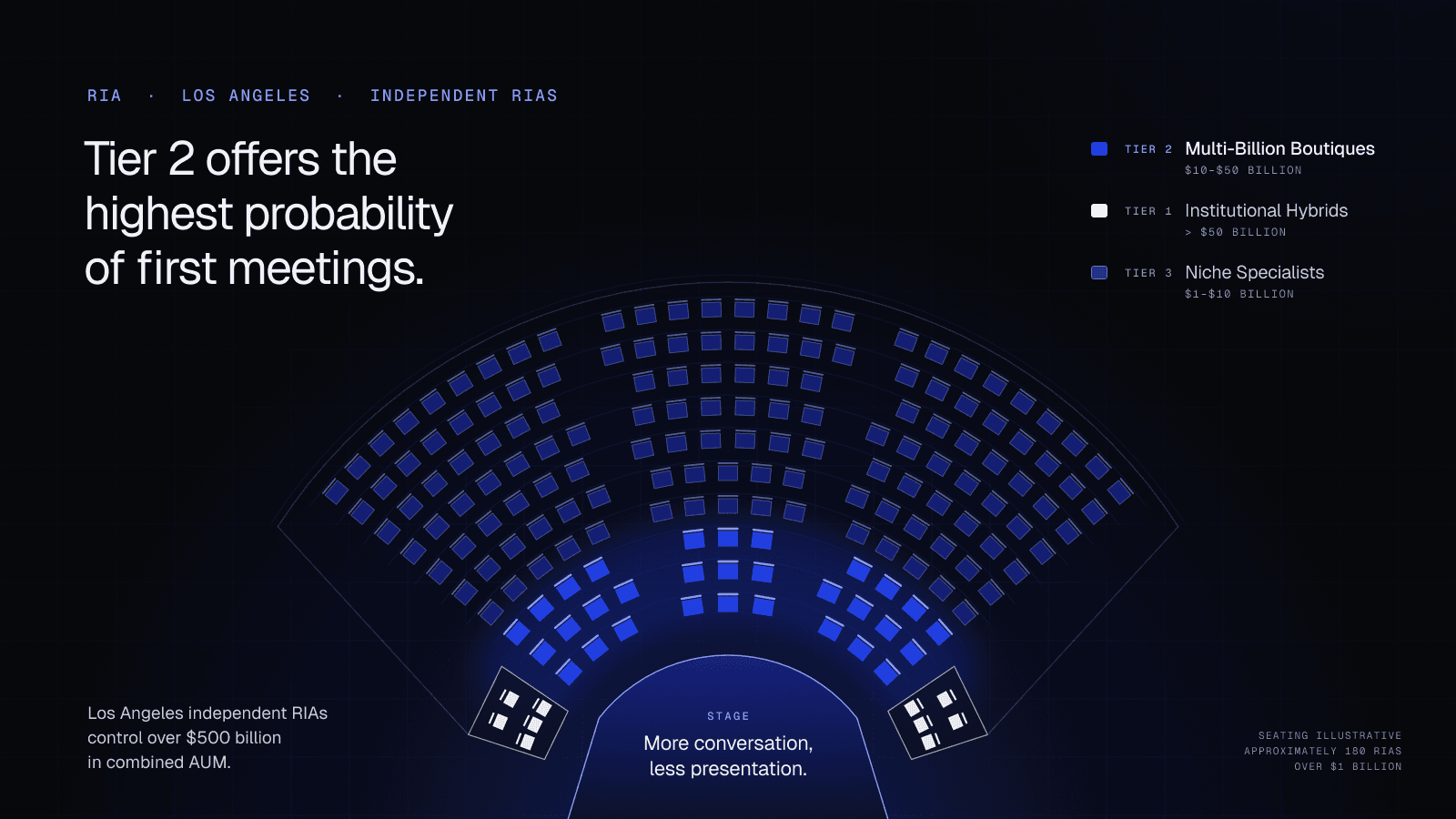
Comprehensive 2026 guide to the top 15 independent RIAs in Los Angeles with verified AUM, allocator signals, and actionable strategies for fund managers ra

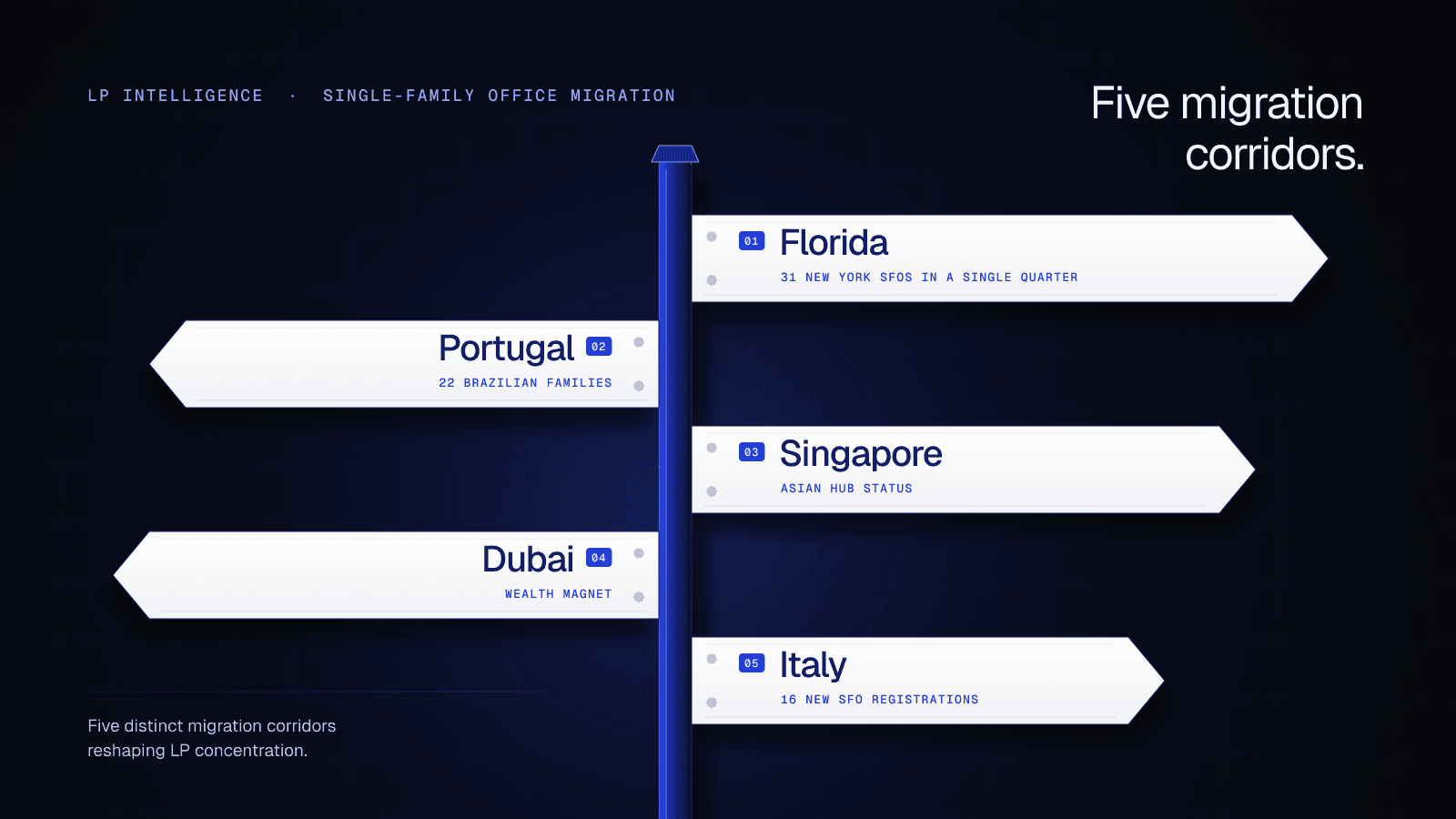
Data-driven analysis of family office migration across Florida, Singapore, Dubai, Italy, and Brazil. Includes LP activity trends, tax policy drivers, and a

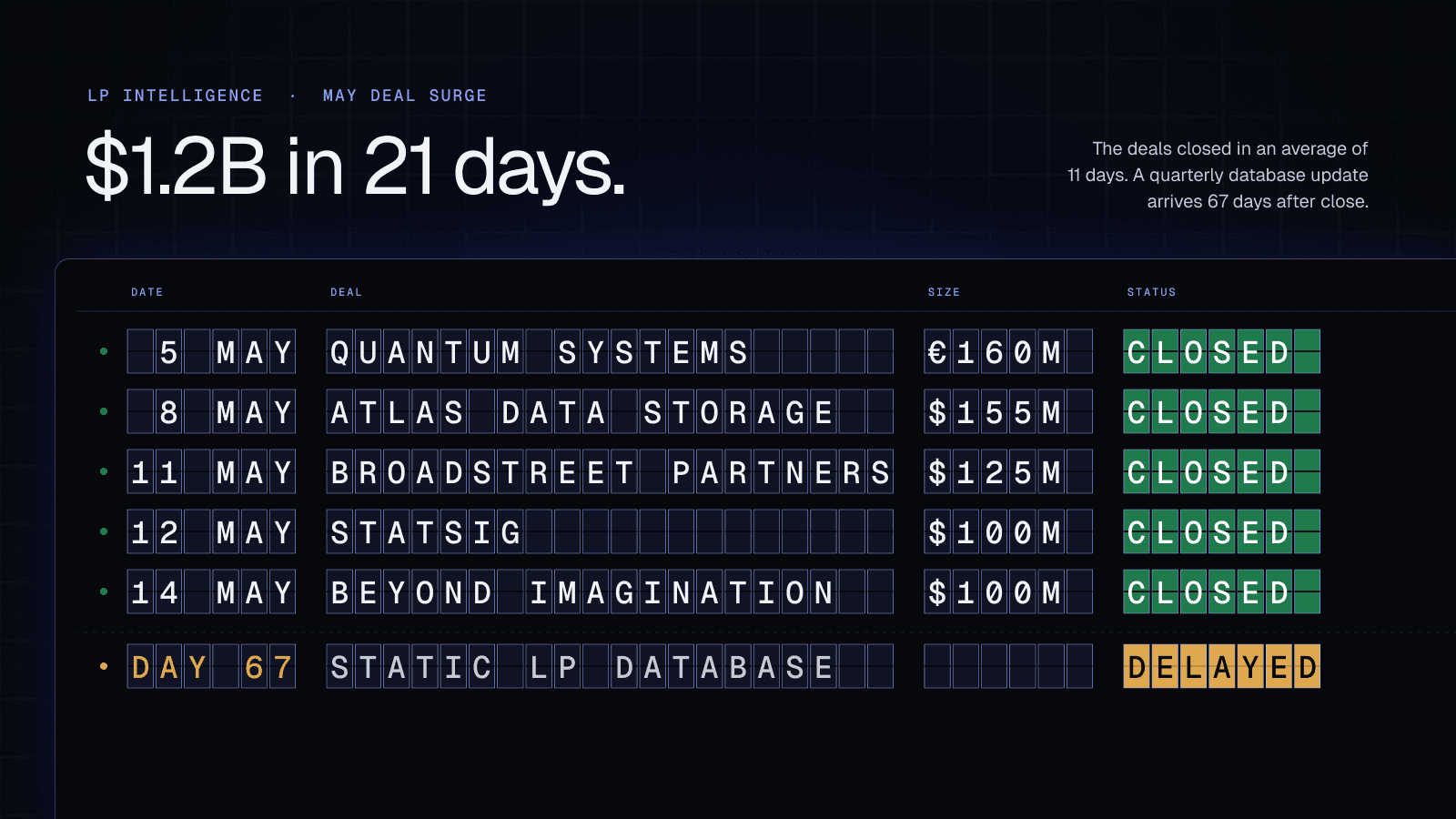
May 2026 saw family offices deploy $1.2B across frontier tech, climate, and niche sports in 21 days. Static LP databases fail. Altss provides continuously
Public records carry source-specific dates where available. No population-wide measured refresh cadence or universal verification deadline is established here. Page modified, source captured, fact observed, entity verified and aggregate measured describe different events. Check the date attached to the relevant claim; a missing verification date means unknown. Stored source history does not establish a customer-facing historical-analysis interface.